
 °C
°C
 7
Min
7
Min
RAMALLAH, West Bank (AP) – The tenuous ceasefire in the Middle East has held up, sometimes barely, despite being shaken by repeated flare-ups over the past two months. But it is now coming the closest yet to blowing apart and sending the region back into full-scale war – and the detonator is Lebanon.
War in the Middle East is flaring again. Here’s how each side sees the stakes


RAMALLAH, West Bank (AP) - The tenuous ceasefire in the Middle East has held up, sometimes barely, despite being shaken by repeated flare-ups over the past two months. But it is now coming the closest yet to blowing apart and sending the region back into full-scale war - and the detonator is Lebanon.
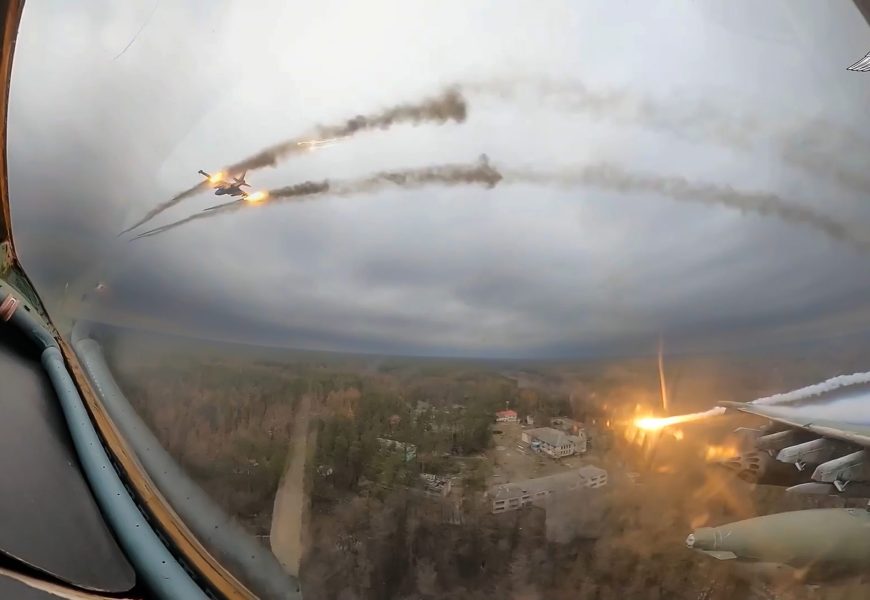
Israeli strikes against Hezbollah militants in Beirut over the weekend brought retaliation from their key sponsor, Iran, which launched its first attacks against Israel since the ceasefire was reached April 7. Israel responded with strikes on targets throughout Iran, while Iran's proxies in Yemen and Iraq threatened to widen the war. The U.S. and other mediators rushed to prevent the fighting from spiraling out of control.
Even if quiet is reimposed, the dynamics that led to the burst of violence are still in place.
Israel and the U.S. remain locked in a standoff with Iran and Hezbollah to shape the future regional order, with each side convinced it is acting from a position of strength. U.S. President Donald Trump and Israeli Prime Minister Benjamin Netanyahu, both facing key elections, have diverging interests.
Here's how each side views the risks, rewards and path forward:
Israel is heading into its first national elections since Hamas' Oct. 7, 2023, attack on Israel that triggered the region's wars. Netanyahu is under pressure to project strength after repeatedly vowing to destroy Hezbollah. Despite repeated wars and rounds of fighting, Israel has not been able to definitively end Hezbollah fire into northern Israel.
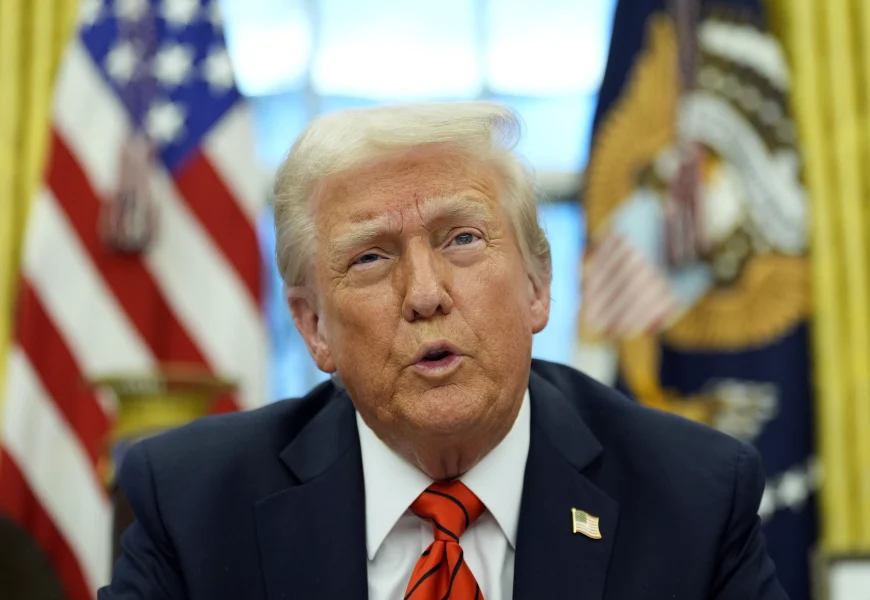
Netanyahu is also wary of appearing subservient to Trump, amid criticism in Israel that deference to the U.S. is preventing the country from reaching its war goals. Trump has pushed Netanyahu not to allow fighting in Lebanon to derail U.S. efforts to broker regionwide peace, and told the Financial Times that he, not Netanyahu, is the one to "call the shots."
So even as Israel has entered direct negotiations with Lebanon's government and reached several ceasefire agreements with it over the past weeks, Netanyahu has pressed ahead with operations in southern Lebanon, seizing a large part of the territory and pushing further north of Lebanon's Litani River. It has continued raids in the south it says target Hezbollah's rocket and drone arsenals.
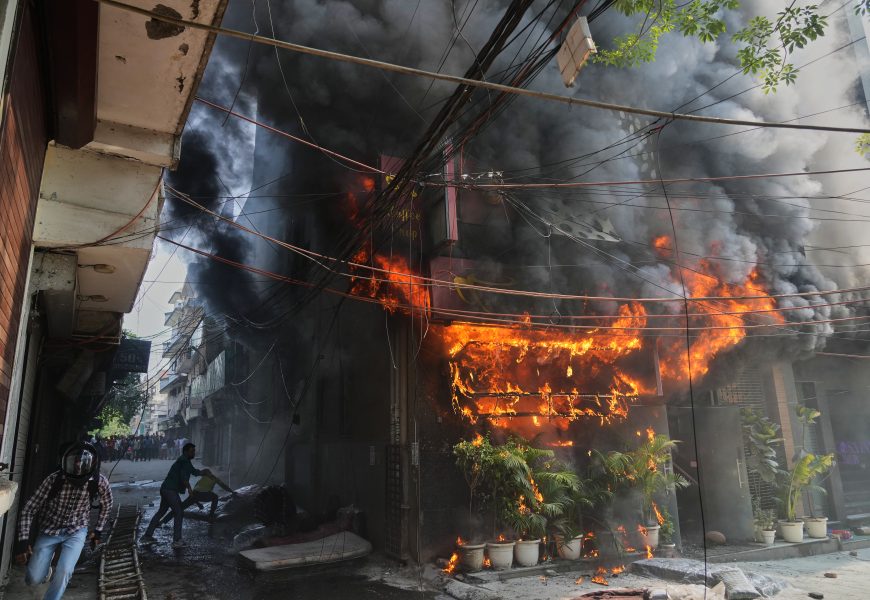
Netanyahu wanted a show of power after Hezbollah targeted northern Israel with rocket fire on Sunday - a step Israeli officials have warned would trigger Israeli strikes on Beirut.
Hezbollah has rejected the ceasefires agreed to by Israel and the Lebanese government and said it will not cease fighting so long as Israel continues its strikes and its forces remain in southern Lebanon. The militant group has continued attacks on Israeli troops in southern Lebanon as well as volleys into northern Israel.
Iran largely left Hezbollah to fend for itself during much of an earlier 2024 war. After that war, Hezbollah stopped its missile fire into Israel - though Israel continued regular strikes on what it called Hezbollah targets in Lebanon. But when Israel joined the U.S. in attacking Iran on Feb. 28, Hezbollah launched strikes on northern Israel in support of its ally.
Iran's retaliation against Israel over the Beirut strikes signaled its willingness to risk renewed war in the region for the sake of its interests in Lebanon and its most important regional ally.
Hezbollah is coming under increasing pressure as Israeli troops push north of the Litani, edging closer to the city of Nabatiyeh, a regional hub where Hezbollah enjoys wide support. The group also faces increased friction with the Lebanese government, where the prime minister and president have denounced Hezbollah for renewing fighting with Israel.
Hezbollah has been resisting surrendering its weapons, something Lebanese leaders have pledged will happen. The group has said it would only discuss giving up its arsenal as part of a larger governmental "defense strategy," perhaps one that would see Hezbollah incorporated into the Lebanese military.
Iran's lashing out at Israel for the sake of Hezbollah carries major risks. If full-scale war erupts again, Iran would face new damage to its economy as well as attacks on its military and senior leadership.
But Iran's leaders have sought to project confidence that the Islamic Republic and its economy can withstand the blow. They have repeatedly risked the ceasefire falling apart over the past two months as they have stuck to a tough line in negotiations with the U.S.
Iran is betting that its mass disruption of traffic through the Strait of Hormuz gives it strength to resist the United States and Israel imposing their objectives in negotiations - and that Trump's reluctance to dive back into war will ensure the U.S. restrains Israel.
Iran has insisted that Lebanon be part of any regional resolution, and it wants to prevent a pattern where Israel can strike targets in Lebanon and Iran without facing a response.
The United States and Israel coordinated the strikes on Iran that kicked off the war. But public disagreements between Trump and Netanyahu have lately spilled into view.
The war is shaping up as a risk for Trump's Republican Party, with midterm elections in November. Trump has said the elections - and worries about the economy - don't factor into his decisions about the war. But his party and advisers likely are wary of the potential damage with voters from a raging conflict that drives up the price of gas and other goods. The president also does not want to be seen by voters as having dragged the United States into another costly Middle East quagmire.
Much like in Lebanon, the U.S. and Israel are increasingly striking a different tone on Iran.
In negotiations, the U.S. has had as its top priorities a resolution of Iran's nuclear program and the free passage of shipping through the Strait of Hormuz. Israel, long concerned about Iran's nuclear program, also sees a historic opportunity to degrade Iran's ballistic missile arsenal and its support for armed groups across the region.
Despite all the talks, there is little sign of Iran being prepared to make concessions on its enriched material and the future of its nuclear program.
Gulf Arab states are eager to end the conflict as quickly as possible. Before the April ceasefire halted most of the fighting, Iranian airstrikes damaged infrastructure across the region. Airports, desalination plants, aluminum smelters and oil facilities were all targeted.
A return to wider war would expose those targets to more attacks. An Iranian drone strike on Kuwait's airport last week was a reminder of the threat.
At the same time, Iran's hold on the Strait of Hormuz has hit oil and gas exports for those Gulf nations that rely on sending tankers through the chokepoint between the Persian Gulf and the Arabian Sea.
U.S.-aligned Gulf states have long hosted American naval, air and military bases because they see the partnership as protection against Iran. Yet when war broke out, they still found themselves vulnerable to attacks, testing their faith in an alliance that was supposed to guarantee security.
The Gulf states have little to gain from a longer war and much to lose if instability becomes the region's new normal.
_
Associated Press reporters Bassem Mroue in Beirut, and Michelle Price in Bedminster, New Jersey, contributed to this report.
More Top Stories