
 °C
°C
 5
Min
5
Min
Spirit Airlines, the scrappy discounter that once rattled the industry with cheeky ads and rock-bottom fares, took its final flight after 34 years of upending the business of flying.
Spirit Airlines built a model the industry copied. Then it collapsed
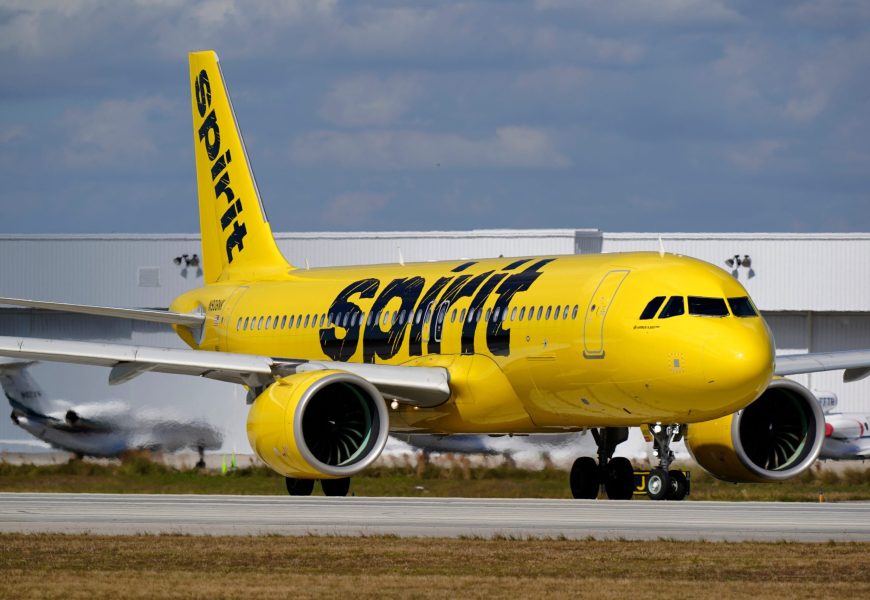

Spirit Airlines, the scrappy discounter that once rattled the industry with cheeky ads and rock-bottom fares, took its final flight after 34 years of upending the business of flying.
Once worth as much as roughly $5.5 billion on the stock market, the airline known for its bright yellow planes said Saturday it had shut down after its final flight departed from Detroit and landed safely in Dallas.
"For more than 30 years, Spirit Airlines has played a pioneering role in making travel more accessible and bringing people together while driving affordability across the industry," CEO Dave Davis said in a statement.
The announcement comes after two bankruptcy filings in as many years that allowed Spirit to repay lenders. That was followed in recent months by a final, mad-dash scramble to save money by cutting routes, squeezing concessions from unions and pursuing a potential financing deal with the Trump administration that could have provided a lifeline had it panned out.
But in the end, higher jet fuel prices triggered by the Iran war drained cash from the business at an accelerating pace, forcing it to call it quits.
"This is tremendously disappointing and not the outcome any of us wanted," Davis said.
It began as Charter One Airlines, which ran vacation tours in the early 80s, then grew in popularity and profits two decades later with no-frills "unbundled" fares allowing travelers to forgo basic services - bag handling, seat selection, even the printing of tickets - or pay extra.
Proudly penny-pinching and irritatingly so for many passengers, Spirit was for years run by the famously frugal Ben Baldanza, who ordered his burgers plain, bristled at paying extra for pickles he didn't want, and flew in the same cramped seats as his customers. He was unapologetic about the airline's nickel-and-diming them, saying the issue wasn't that Spirit was cheap, but that passengers were seeing an itemized bill for the first time - and didn't like it.
For all the complaints, though, Spirit's model became so influential that giant airlines with decades more operating history and global destinations found they had to follow suit by slashing prices and introducing "basic economy" fares.
On its final day of operations, Spirit had safely flown more than 50,000 passengers, a company spokesperson said. The airline was also working to get more than 1,300 crew members back home. About 17,000 employees - some with more than 25 years at the airline - learned Friday they had lost their jobs, many finding out through media reports, the spokesperson said.
In a memo Saturday to members, the Spirit flight attendants union acknowledged the end of the airline and the toll on workers.
"While the country has had a blast making Spirit the butt of the joke, we've built a strength together that could withstand anything that anyone throws at us," it said. "And that is no joke."
Despite its abrupt end, Spirit left behind a reputation that was impossible to ignore.
Kendria Talton, who flew Friday on Spirit from Dallas to Atlanta with her daughter for a dance competition, arrived at the airport Saturday trying to find a new way home.
Talton said she had flown Spirit multiple times because of the price. "Other than that, I mean nobody even likes Spirit," she said. "They've always talked about Spirit for years."
A key part of that image came from its bold, over-the-top ads that some critics slammed as tasteless and indeed sometimes backfired.
After the Deepwater Horizon disaster in 2010, the company ran a "Check Out the Oil on Our Beaches" ad, playing on the double entendre of suntan oil and the real black stuff.
Next up was a "Weiner Sale" after New York Congressman Anthony Weiner was caught in a sexting scandal, an ad that also included the line, "fares just too hard to resist." Later came its infamous "MILF Sale," referring to "Many Islands, Low Fares," but also referencing, with a wink and a nod, to the sexual acronym.
Ironically, Spirit was also taken down by its own success as more traditional airlines mimicked its offering and began to steal its customers with their own low fares.
Spirit had been struggling with losses for years, but its going-out-of-business announcement still came as a shock.
Just a few months earlier this year, Spirit said it would likely emerge from its second bankruptcy in the late spring or early summer after striking a preliminary deal with lenders.
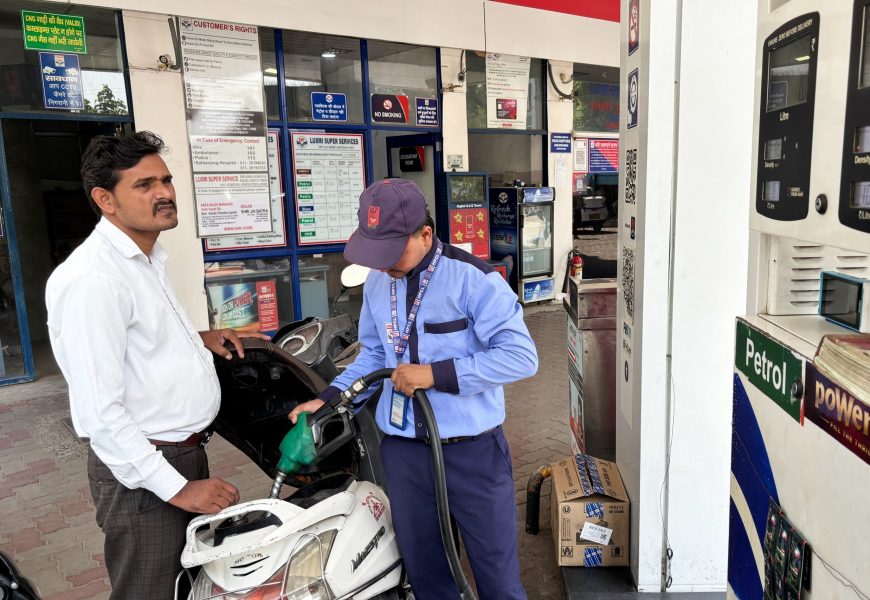
Then the U.S. and Israel launched strikes on Iran four days later, sending global crude prices soaring above $100. Gasoline prices followed closely behind and jet fuel prices more than doubled in some markets.
Spirit struggled especially during and after the COVID-19 pandemic, amid rising operational costs and its mounting debt. By its first Chapter 11 filing in November 2024, Spirit had lost more than $2.5 billion since the start of 2020.
University of Houston student Angelina Deruelle, 23, was at Fort Lauderdale-Hollywood International Airport on Friday, Spirit's final day of operations, after her flight to Texas was canceled. She said the loss of the airline as an affordable travel option would be difficult to accept.
"I feel like Spirit is just affordable, simple, nothing too fancy," she said. "It's just like home."
More Top Stories