
 °C
 2
Min
The United States will investigate a deadly strike on an Iranian wedding gathering in Kuhestak, Vice President JD Vance has said, as the reported death toll rises to five. Vance said Washington would examine the circumstances surrounding the attack, which has drawn concern over civilian casualties during the recent conflict between the United States and Iran.
US to investigate deadly Kuhestak wedding strike
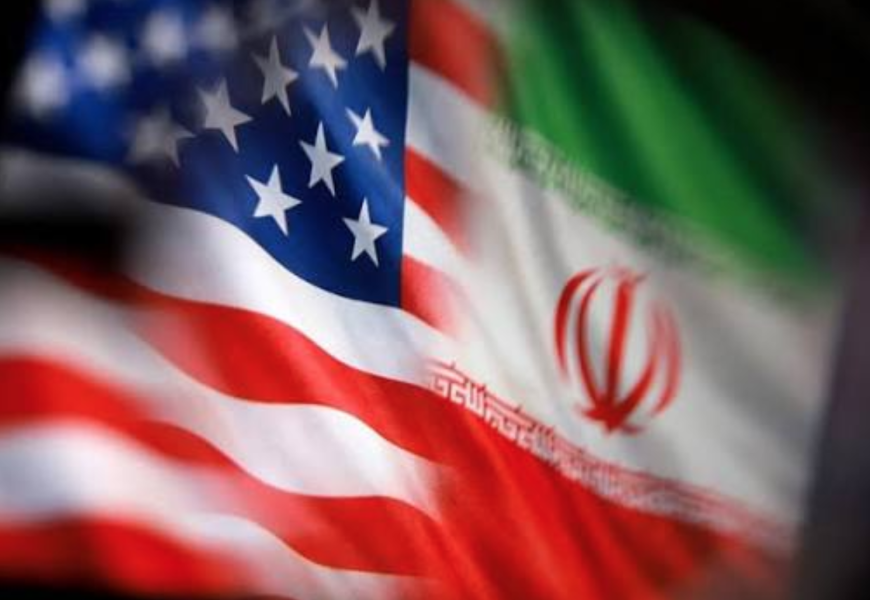
The United States will investigate a deadly strike on an Iranian wedding gathering in Kuhestak, Vice President JD Vance has said, as the reported death toll rises to five.
Vance said Washington would examine the circumstances surrounding the attack, which has drawn concern over civilian casualties during the recent conflict between the United States and Iran.
Iran's first vice president said the US military campaign had altered Tehran's strategic calculations, warning that any response to further American attacks would be "asymmetrical" and "multi-layered".
The comments come as uncertainty continues to surround the possibility of renewed diplomacy between Washington and Tehran following the conflict.
Mohammad Eslami, a research fellow in Middle East and North Africa studies at the University of Tehran, said there were serious doubts about whether the parties involved could establish a meaningful diplomatic process.
"There's a real question if the parties, Iran, the United States and even other parties, have the capability to continue a true diplomatic settlement of this crisis," Eslami said.
He argued that domestic political considerations in both countries could complicate efforts to restart negotiations. In the US, he said, officials were focused on the upcoming midterm elections and, for some, the next presidential contest.
Eslami also pointed to growing public distrust of the United States inside Iran, saying Iranian perceptions of Washington's military record across the region would influence Tehran's future decisions.
He said the Iranian public viewed the US through the lens of its military interventions in Iran's region, including Afghanistan and Iraq.
"The Iranian people do not trust the Americans," Eslami said.
Meanwhile, South Korea is considering practical measures, including possible military support, to help protect freedom of navigation through the strategically important Strait of Hormuz.
A presidential official said reports that Seoul had provided no assistance related to the issue were inaccurate, indicating that South Korea was examining ways to contribute to efforts to keep the vital shipping route open.
The developments highlight the continuing regional and diplomatic repercussions of the US-Iran conflict, with governments weighing security measures while questions remain over the prospects for a lasting political settlement.
More Top Stories