
 °C
 4
Min
The United States says it has struck three Iranian oil tankers after Iran's Islamic Revolutionary Guard Corps (IRGC) launched ballistic missiles towards two US warships operating in regional waters, escalating tensions in the latest phase of the conflict.
US says three Iranian oil tankers destroyed after attacks on warships
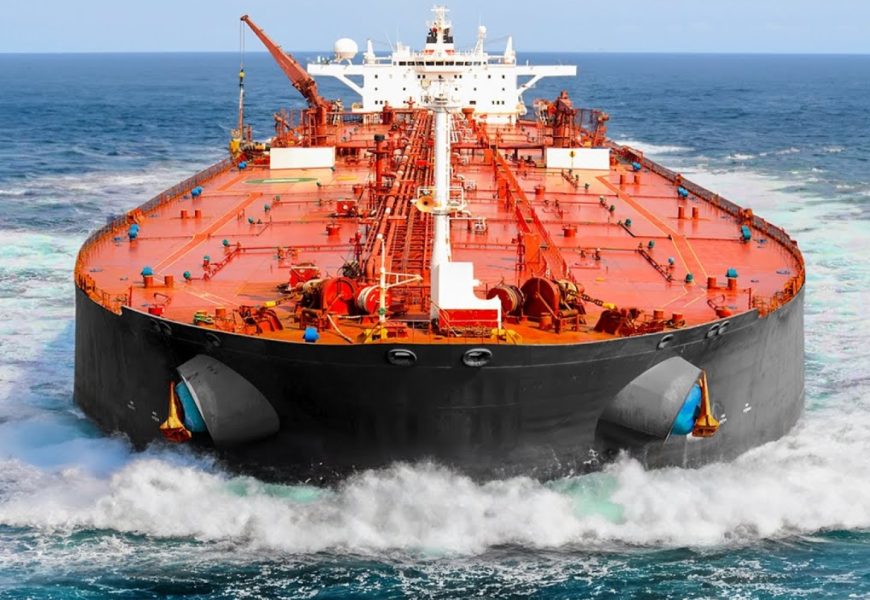
The United States says it has struck three Iranian oil tankers after Iran's Islamic Revolutionary Guard Corps (IRGC) launched ballistic missiles towards two US warships operating in regional waters, escalating tensions in the latest phase of the conflict.
US Central Command (CENTCOM) said the attacks targeted three Iranian crude carriers as part of a response to the missile launches. CENTCOM Commander Brad Cooper said the strikes were intended to impose a significant economic cost on Iran.
"Let the message to the IRGC be clear," Cooper said. "If you shoot at two of our ships, we will impose an even higher economic cost - taking out three of yours."
US Defence Secretary Pete Hegseth subsequently warned that Washington has the capability to target Iran's wider oil tanker fleet if Iranian forces continue attacking US naval vessels.
"It's simple: if Iran shoots at US ships, we will destroy and sink their oil tankers," Hegseth said in a post on X. He added that Iran's tanker fleet was vulnerable because, in his assessment, the country lacks an effective navy or air force capable of protecting the vessels.
CENTCOM identified the targeted ships as the M/T Downy, M/T Stark 1 and M/T Kylo, also known as the Noxen.
The US military said the Downy was permanently disabled off the coast of Kharg Island, while the Stark 1 was struck near the southern Iranian town of Jask. The Kylo was described as completely destroyed after being hit in several critical areas in the Gulf of Oman.
CENTCOM said the crew of the Kylo had been ordered to abandon the vessel before it was destroyed.
The US military also claimed the three tankers formed part of a multibillion-dollar "shadow network" allegedly used to generate revenue for the IRGC and groups aligned with it across the region.
Iranian state media offered a different account of the attacks.
IRIB reported that an Iranian tanker was struck near Kharg Island, one of the country's most important oil-exporting terminals. A fire broke out aboard the vessel but was later extinguished, according to the broadcaster. It said there were no fatalities in the incident.
Two additional tankers were reportedly attacked near Jask, with IRIB saying their crews reached shore using lifeboats. One of the vessels was carrying an oil shipment. Iranian state media did not report casualties from those attacks.
Satellite imagery appears to provide some support for the US account of at least one strike.
TankerTrackers.com said imagery indicated that the National Iranian Tanker Company's VLCC supertanker Downy had been hit. The vessel was reportedly sailing without an oil cargo at the time.
The tracking organisation said a sudden increase in tugboat activity and changes in automatic identification system movements around the ship suggested the engine-room area may have been damaged. Thermal imagery did not show obvious signs of fire or smoke in the available images.
TankerTrackers also reported that another NITC vessel, the Stark 1, appeared to have been struck off the Iranian coast near Kuh-e Mobarak. It said two other NITC tankers, the Sinopa and Hawk, had been hit several days earlier near Jask while carrying some oil cargo.
The latest strikes come as US President Donald Trump again threatened to attack Iran's Pickaxe Mountain, repeating a warning he first made in July.
Iranian First Vice President Mohammad Reza Aref accused Washington of turning to economic pressure after failing to accomplish its objectives through military action.
Aref said the United States had "resorted to economic warfare", signalling that Tehran viewed the attacks on its oil infrastructure and shipping as part of a broader campaign to weaken the Iranian economy.
The exchange marks a further escalation between Washington and Tehran, with the safety of oil shipping and the region's wider energy infrastructure increasingly caught up in the conflict.
More Top Stories