
 °C
 3
Min
Rescue teams in Nepal have pulled a Chinese hydropower worker and a 64-year-old Nepali woman alive from the devastation caused by catastrophic flooding, raising hopes that other people missing in the disaster may still be found.
Two survivors rescued from Nepal flood wreckage
Rescue teams in Nepal have pulled a Chinese hydropower worker and a 64-year-old Nepali woman alive from the devastation caused by catastrophic flooding, raising hopes that other people missing in the disaster may still be found.
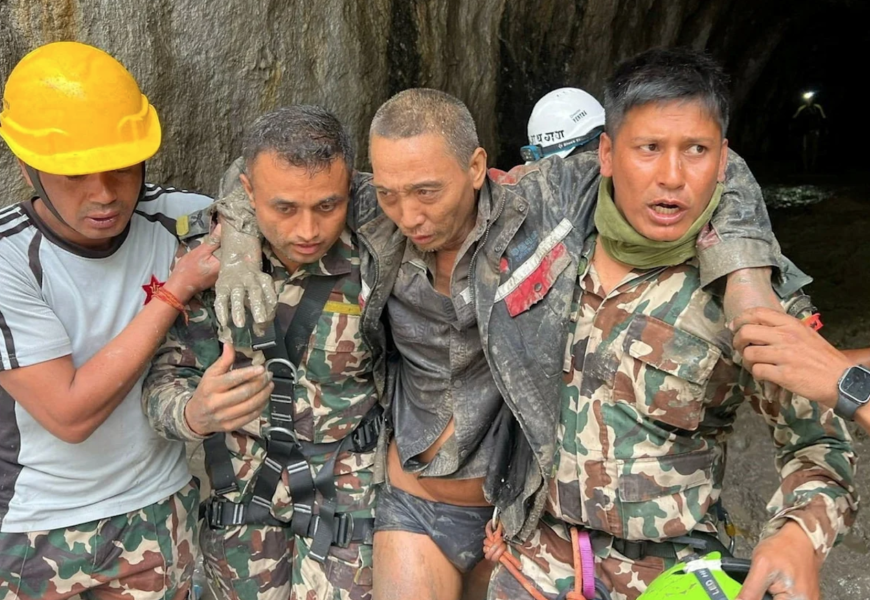
Chinese worker Lu Haitao was rescued on Saturday after being trapped about 225 metres inside a flooded tunnel at a hydropower project in Rasuwa district, north of the capital, Kathmandu.
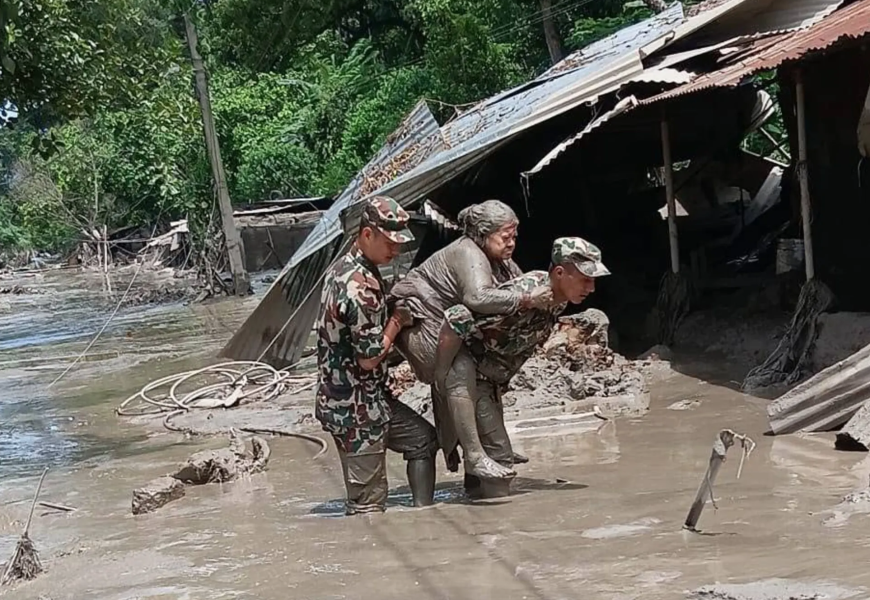
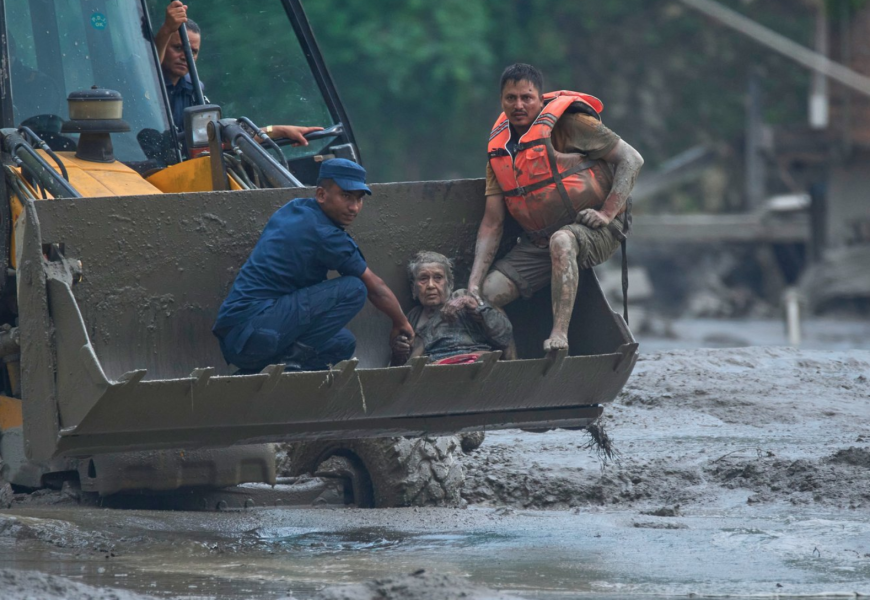
In a separate operation, rescuers recovered Chandika Kumari Shrestha from the ruins of her collapsed home in neighbouring Nuwakot district.
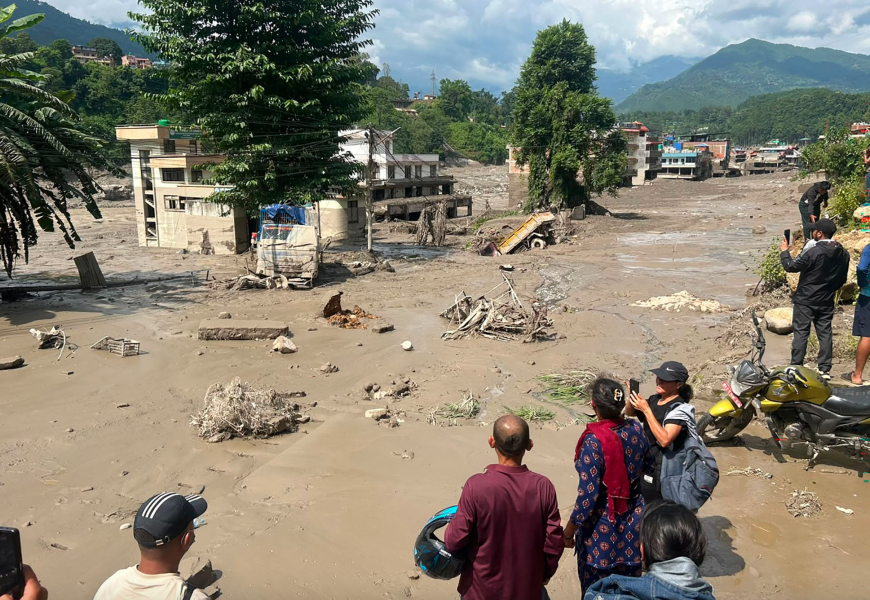
Both had been trapped since August 26, when the collapse of a glacier in the Himalayas unleashed a massive surge of water, ice and debris through communities and valleys below.
The two rescues, which occurred within hours of each other, were the third and fourth successful recoveries in recent days. They have given fresh encouragement to teams searching damaged hydropower tunnels where hundreds of workers remain unaccounted for.
Lu was brought to safety by a joint operation involving Nepali soldiers and South Korean disaster specialists. He was reportedly in stable condition but suffering from mild hypothermia before being flown by helicopter to a hospital in Kathmandu.
Speaking to Chinese state television after his rescue, Lu said he repeatedly called out whenever he saw the lights of rescue crews inside the tunnel.
He said his calls initially went unanswered until a beam of light finally reached him.
"I couldn't believe it," Lu said.
Search operations in Rasuwa were hampered by rain on Saturday, although emergency crews continued working through difficult conditions.
In Nuwakot, Shrestha was found buried in mud inside her damaged and flooded home. Rescuers gave her water before evacuating her by helicopter to Kathmandu for medical treatment.
Her recovery came a day after two Nepali hydropower workers were rescued alive from another nearby tunnel. They were the first survivors to emerge from any of the region's damaged hydropower facilities following the disaster.
Death toll exceeds 1,300
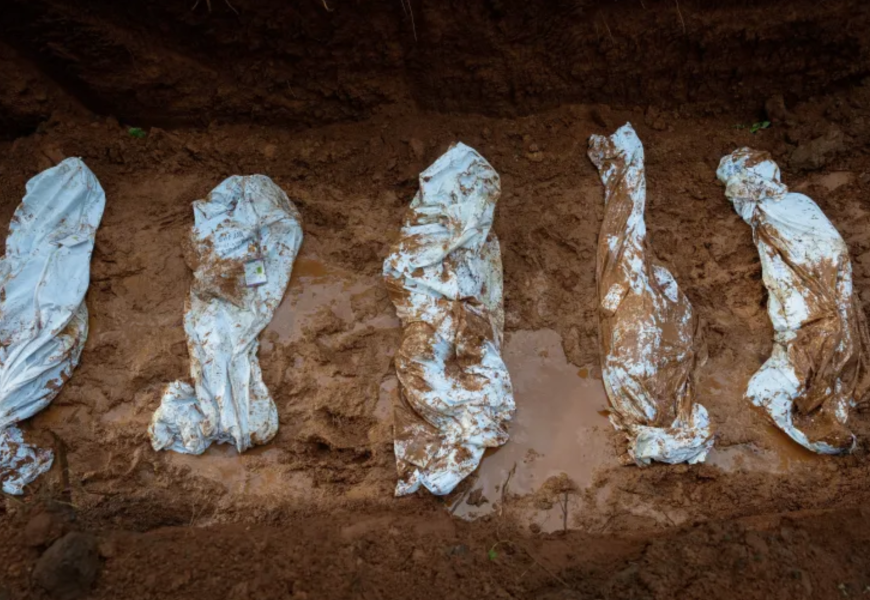
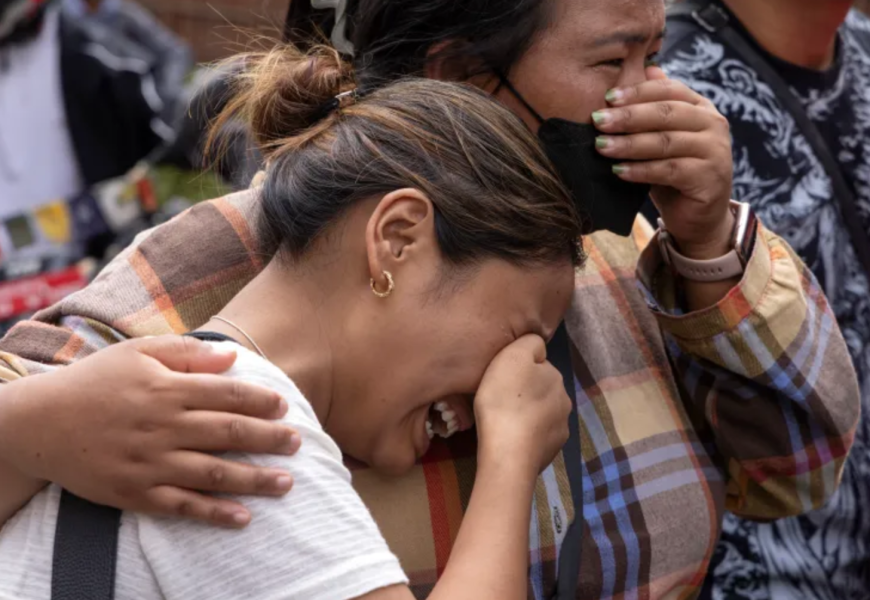
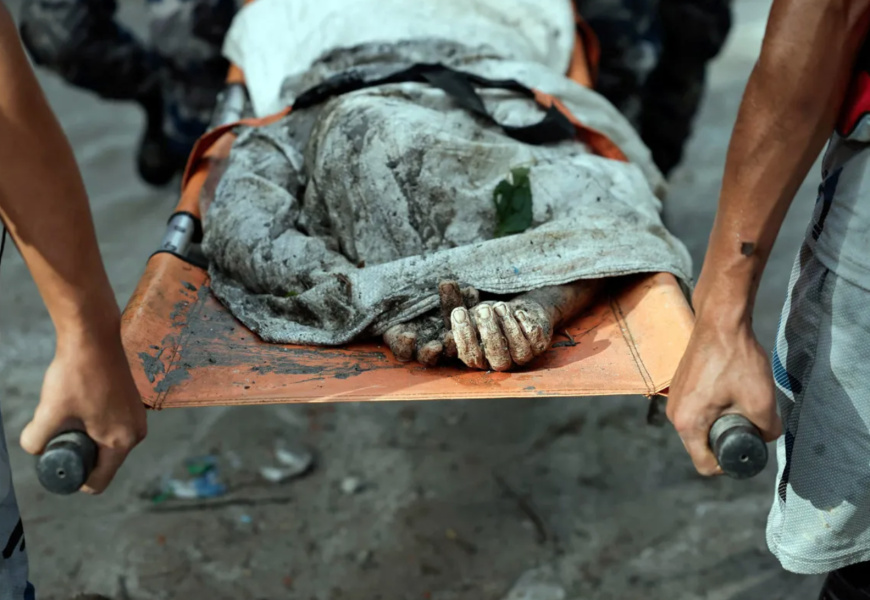
Nepal's national disaster authority says at least 1,331 people have died in the disaster, while approximately 5,000 remain missing. The missing include 589 foreign nationals.
Across the border in Tibet, authorities have reported 31 deaths and 531 people still unaccounted for.
Hydropower construction sites have been among the worst affected. About 900 workers remain missing from such projects, with around 500 believed to be trapped inside tunnels at roughly a dozen damaged sites.
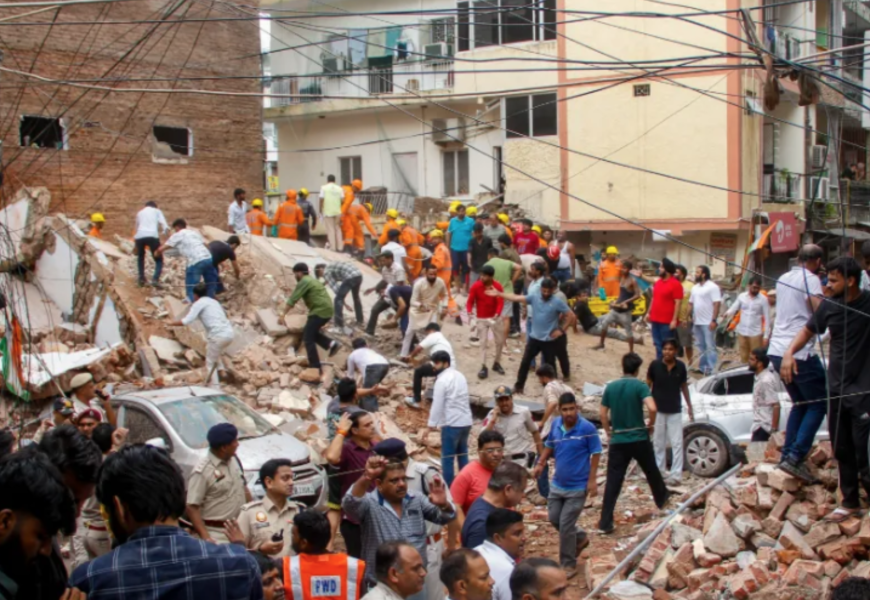
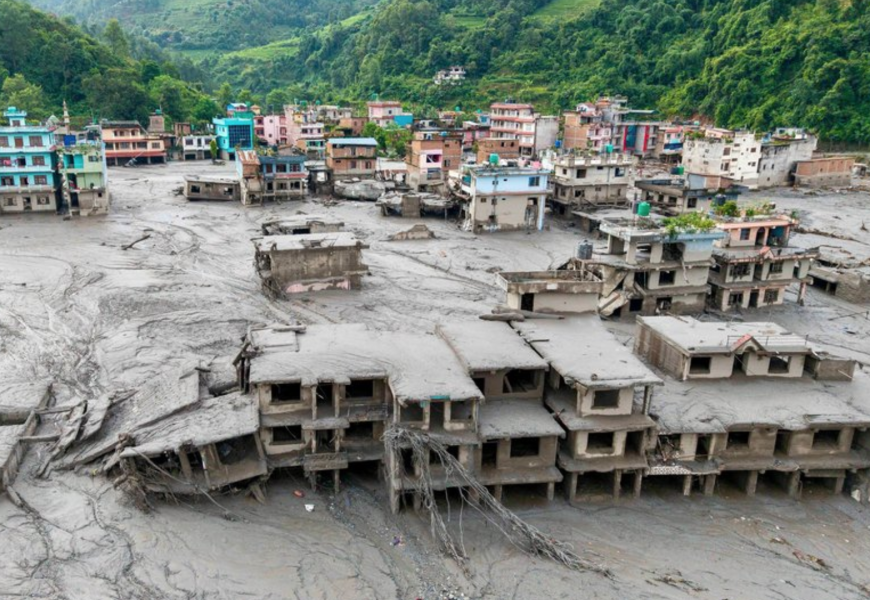
The glacier collapse sent enormous volumes of water and debris through river valleys, destroying homes, roads and schools and devastating communities that have become important centres for Nepal's hydropower industry.
The affected region is also popular with international trekkers and pilgrims.
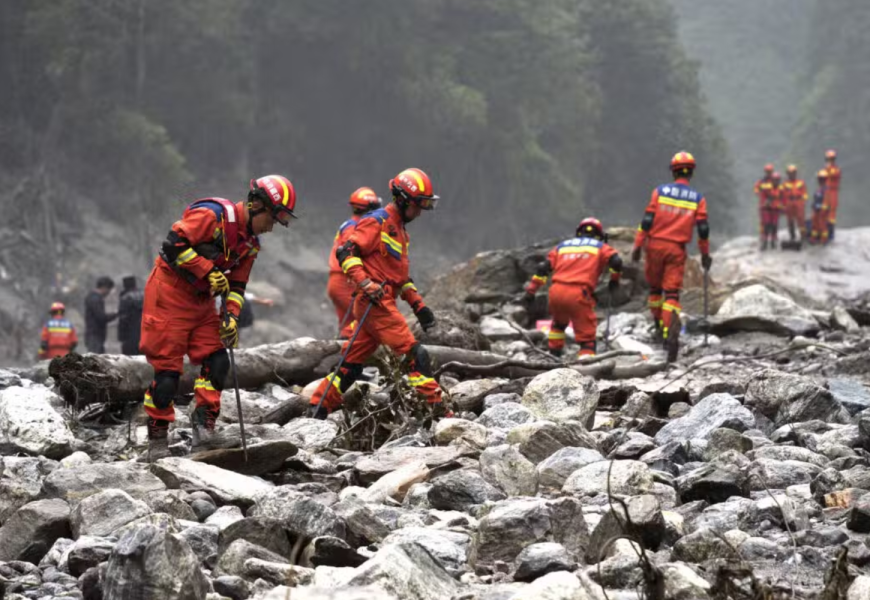
Nepal initially relied heavily on its own security forces to conduct the search, but international assistance has since expanded. Rescue specialists from India, China, South Korea and the United States are now involved, while Australia has deployed a 15-member drone team to assist with aerial searches.
Authorities are paying particular attention to the Trishuli 3A hydropower tunnel after one worker rescued earlier this week reportedly told the Nepali army that other workers could still be alive deeper inside.
Nepalese officials say the latest rescues have strengthened their determination to continue searching.
Information and Communications Minister Bikram Timilsina said authorities remained hopeful that more survivors could be recovered.
"We are waiting for the rescue of more and more people," he said.
More Top Stories