Estimated reading time 3 minutes 3 Min

Tehran warns attacks will trigger 'faster, heavier' response

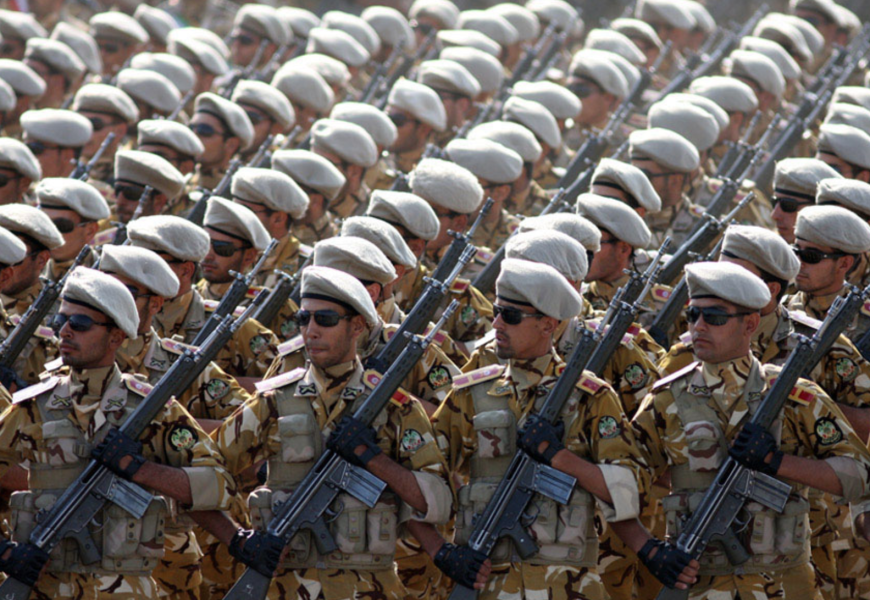
Iran has warned that any further attacks against its territory would trigger a stronger and more painful military response, as tensions with the United States and Israel continue to escalate and maritime traffic through the Strait of Hormuz remains under severe threat.


September 7, 2026
7 September 2026

Iran has warned that any further attacks against its territory would trigger a stronger and more painful military response, as tensions with the United States and Israel continue to escalate and maritime traffic through the Strait of Hormuz remains under severe threat.

Iranian Parliament Speaker Mohammad Bagher Ghalibaf said Tehran would respond more forcefully if its territory came under renewed attack.

"Any new attack will meet a faster, heavier and more painful response," Ghalibaf said, according to Iranian officials.

The warning came after Iran's Islamic Revolutionary Guard Corps said it had attacked three US-affiliated vessels and three oil tankers that it accused of using an unauthorised route through the Strait of Hormuz.

The claims followed an announcement from the US military that three Iranian crude oil tankers had been struck and destroyed. Washington said the vessels were targeted in retaliation for attacks on US warships and alleged efforts to finance Iranian regional proxies.

The competing claims have added to uncertainty surrounding commercial shipping through the strategic waterway, which carries a significant share of global oil supplies.

US Central Command said on Sunday that American forces had redirected 92 commercial vessels as part of a naval blockade of Iran. It also said three vessels had been disabled and two boarded during the operation.

Despite the military confrontation, US Energy Secretary Chris Wright said substantial quantities of oil were continuing to move through the Strait of Hormuz.

Wright said an average of about nine million barrels of oil a day were still passing through the waterway, a level he said should help ease pressure on global energy prices.

The US military also rejected an Iranian claim that its forces had struck an unmanned military vessel operating in the Strait.

Netanyahu says Iran's government is nearing its end

Meanwhile, Israeli Prime Minister Benjamin Netanyahu told his cabinet that Iran's government was approaching its final days, according to an excerpt of his remarks released by his office.

"This regime in Iran - its end is near," Netanyahu said.

He also accused Tehran of holding back from launching further attacks against Israel.

Netanyahu warned that Iran would face a devastating response if it attacked Israel again.

"Iran is refraining" from attacking Israel, he said, adding that if Tehran "makes the mistake" of doing so, it would face a blow "it cannot even imagine".

The statements came as the wider conflict continued to raise concerns about the potential for further military escalation across the region.

59 vessels cross Hormuz despite severe threat level

Maritime traffic through the Strait of Hormuz has continued despite the heightened security situation.

The United Kingdom Maritime Trade Operations Centre said 59 ships had passed through the strategically important waterway during the previous 48 hours.

However, UKMTO maintained its threat assessment for the Strait at "severe", underscoring the continuing risks faced by commercial vessels operating in the area.

The Strait of Hormuz is a critical global energy corridor, making any sustained disruption to shipping a potential source of further volatility in oil markets and energy prices.

With Iran, Israel and the United States exchanging increasingly forceful warnings and military claims, uncertainty over the safety of the waterway remains high.

More Top Stories