
 °C
 4
Min
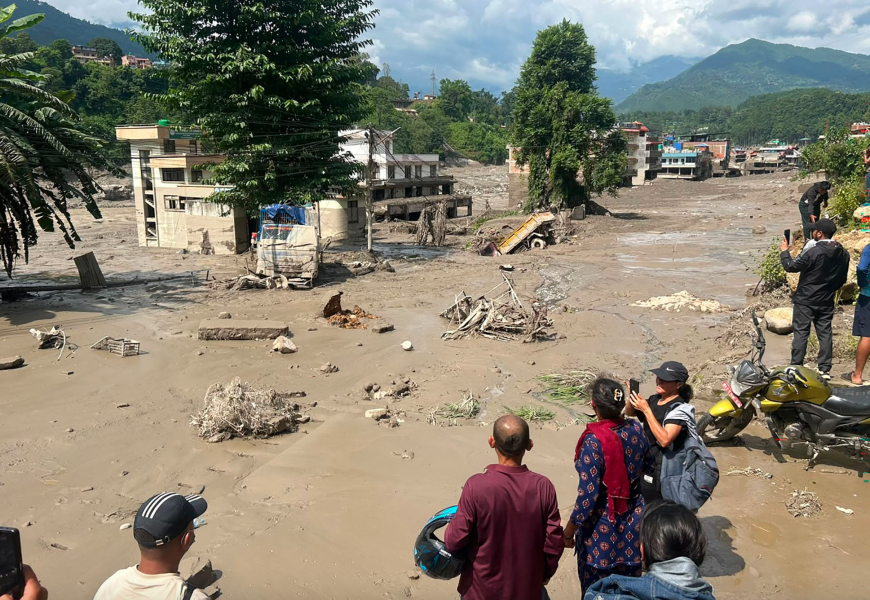
Rescue teams in Nepal are continuing a desperate search for survivors more than a week after catastrophic flash floods swept through communities across the Himalayas, with hundreds of workers feared trapped inside hydropower facilities near the Chinese border.
Rescue teams race to find survivors as Nepal-China flood toll passes 1,280
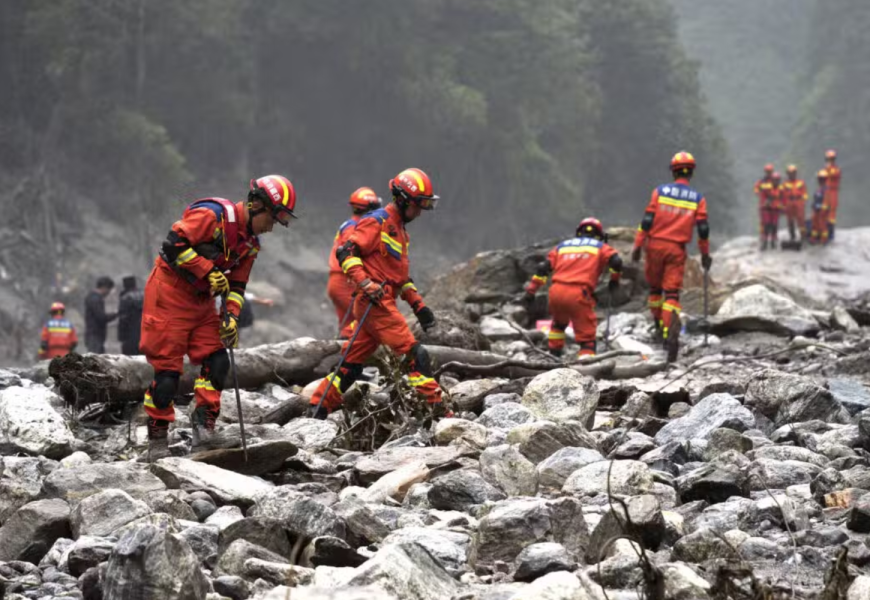
Rescue teams in Nepal are continuing a desperate search for survivors more than a week after catastrophic flash floods swept through communities across the Himalayas, with hundreds of workers feared trapped inside hydropower facilities near the Chinese border.
Authorities said more than 1,280 people have died across Nepal and Tibet, while more than 5,600 remain missing. At least 550 foreign nationals are among those unaccounted for.
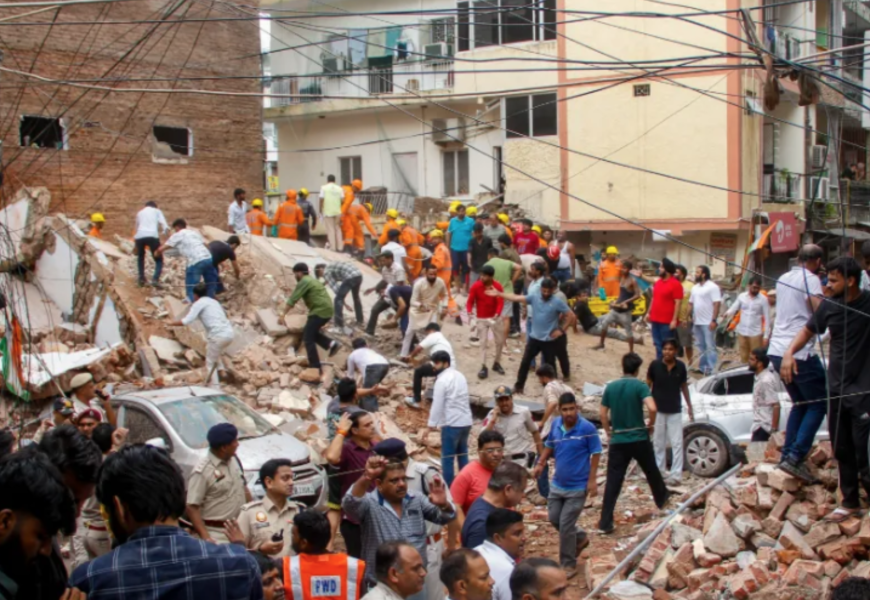
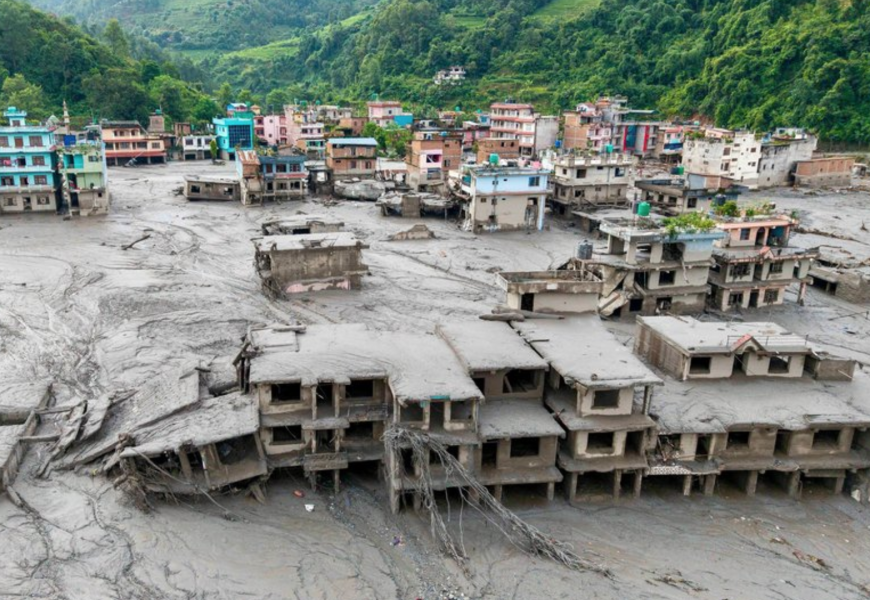
The disaster struck last week after a massive surge of rocks, mud and water tore through villages, roads and bridges. Scientists believe the devastation was triggered by the collapse of a glacier near Langtang Lirung mountain.
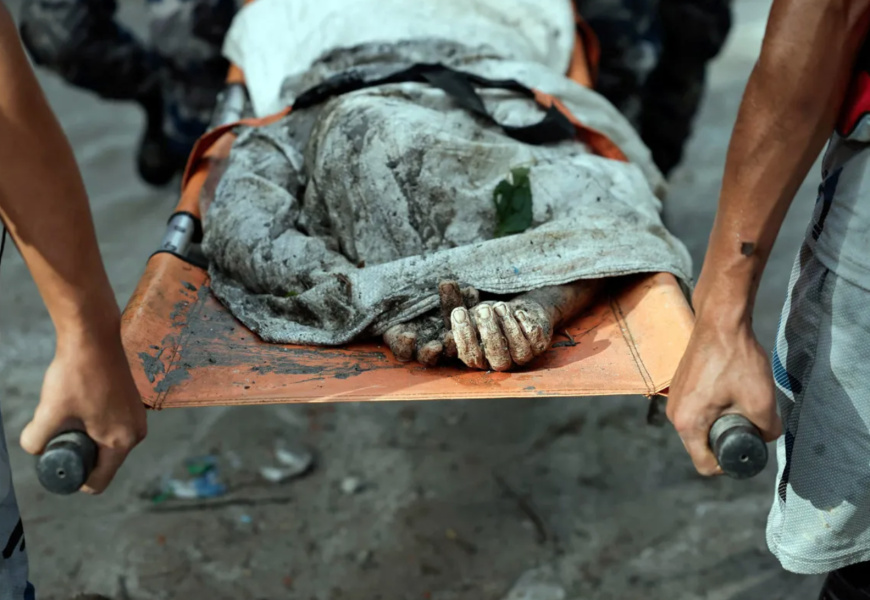
Nepal's National Disaster Risk Reduction and Management Authority said 1,252 bodies had been recovered. Rescue crews are now concentrating on hydropower plants and tunnels in Rasuwa district, one of the areas worst affected by the floods.
Hundreds of workers are believed to be trapped inside the facilities.
Sanjay Kc, an officer with the Nepalese Army's engineering department, said rescuers remained hopeful that some workers could still be alive inside a large underground power station.
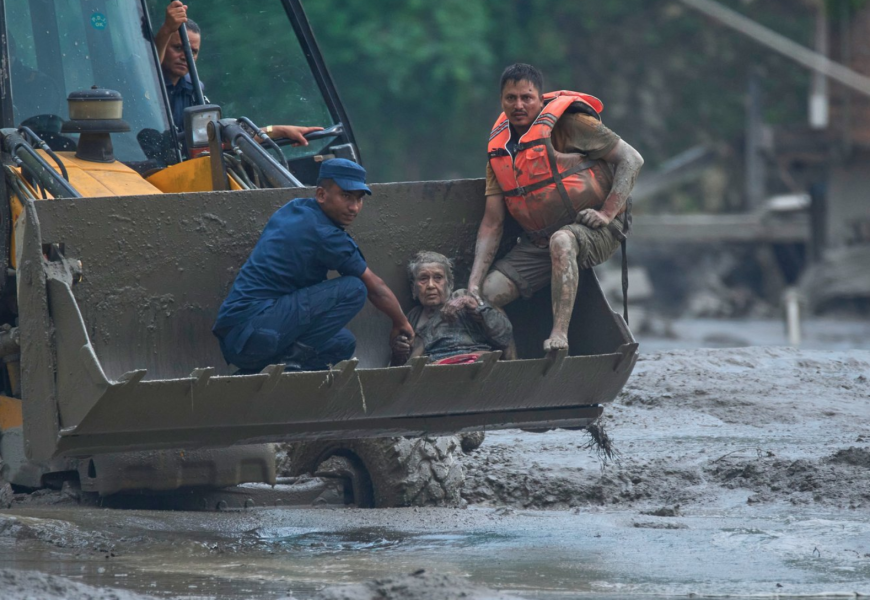
"We still hope there are some survivors inside," Kc said as bulldozers worked to clear enormous quantities of mud from a tunnel entrance.
He said the size of the power station offered some hope that parts of the facility may not have been completely flooded.
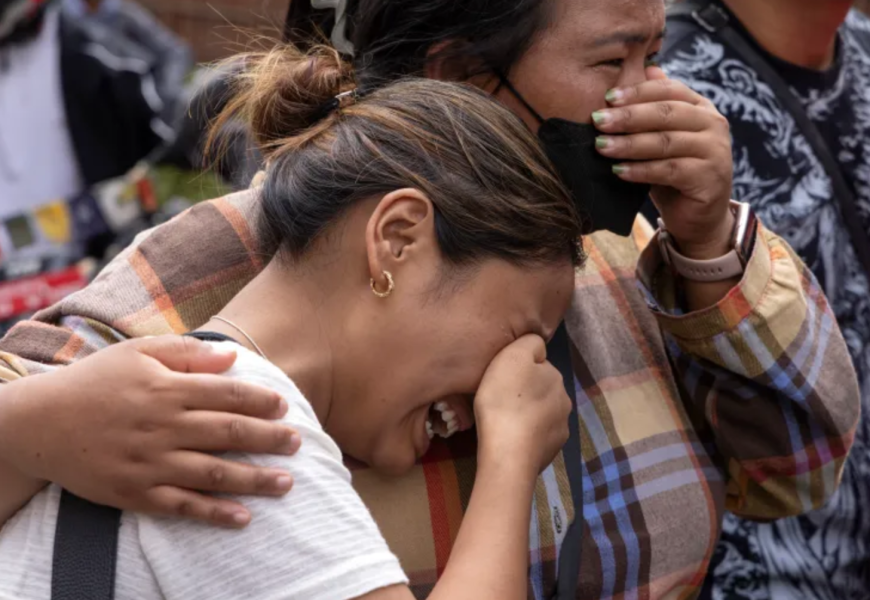
For relatives of those missing, however, each passing day has brought increasing anguish.
Families have been gathering each morning near rescue sites, waiting for information about their loved ones.
Pratik Rana, whose father, an engineer, remains missing, said he continued returning to the site each day in the hope of receiving good news.
"Every day I come here hoping to find my father," Rana said, describing the emotional toll of watching each day end without news.
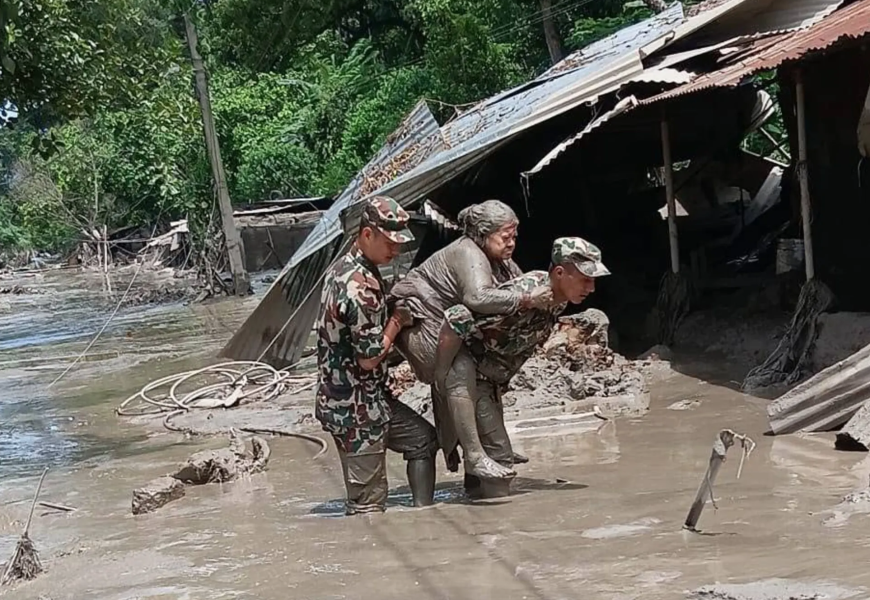
Rescue operations are also continuing in remote villages, where authorities are using helicopters, zip lines and other equipment to reach people cut off by destroyed roads and bridges.
The United Nations Development Programme estimates that the floods and mudslides generated at least 2.2 million tonnes of debris, creating enormous challenges for rescue and recovery crews.
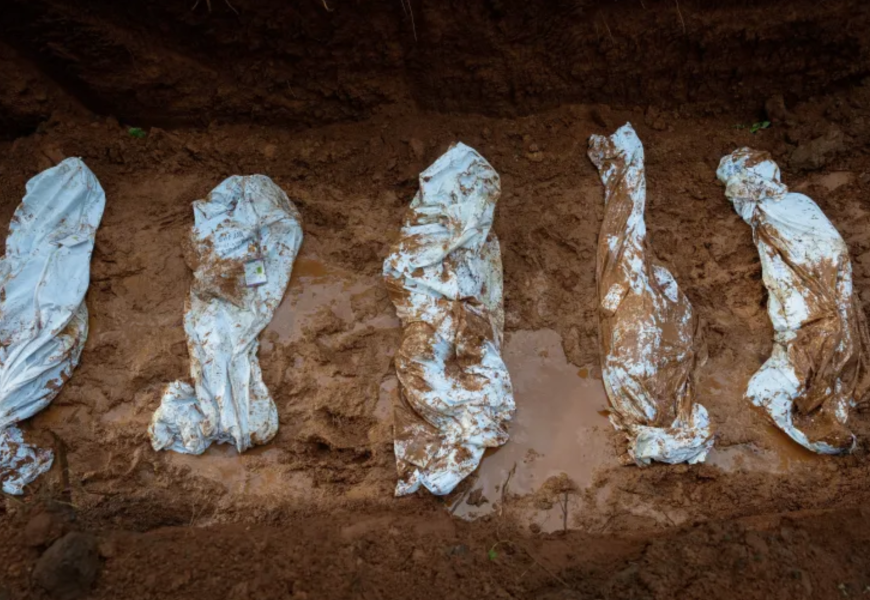
In Kathmandu, forensic specialists are working to identify bodies recovered from the disaster zone. Many have deteriorated badly, making identification difficult.
Officials said forensic teams are relying on clues including tattoos and jewellery, although the condition of some remains has made the process extremely challenging.
Prime Minister Balendra Shah said on Wednesday that the government would continue searching for survivors while beginning the lengthy process of rehabilitation and reconstruction.
The scale of the rebuilding task is immense. Dharma Raj Upreti, head of the NDRRMA, said around 20,000 homes would need to be rebuilt, including about 7,500 that were completely destroyed.
Authorities have warned against simply rebuilding communities in the same locations, arguing that doing so could leave residents exposed to similar dangers in the future.
Upreti said officials were identifying safer locations where affected communities could eventually be relocated and new settlements established.
The United Nations said more than 3,400 displaced people were staying at 27 temporary sites in Nuwakot and Rasuwa as of Monday, with many sheltering in schools.
The disaster has also renewed calls for greater international action on climate change.
Nepalese Foreign Minister Shisir Khanal said major greenhouse gas emitters bore a "historical responsibility" to help vulnerable countries such as Nepal cope with the consequences of climate-related disasters.
He said Nepal had formally submitted a climate compensation claim to international partners, arguing that the country should receive greater assistance despite contributing relatively little to global greenhouse gas emissions.
With thousands still missing and rescue teams continuing to search tunnels and isolated communities, Nepal faces a prolonged humanitarian emergency alongside the enormous task of rebuilding areas devastated by the floods.
More Top Stories