
 °C
 5
Min
Iranian President Masoud Pezeshkian has called for national unity as the United States intensifies economic pressure on Tehran, warning that sanctions and other measures are designed to fuel divisions and unrest inside the country.
Pezeshkian urges Iranian unity as US intensifies economic pressure
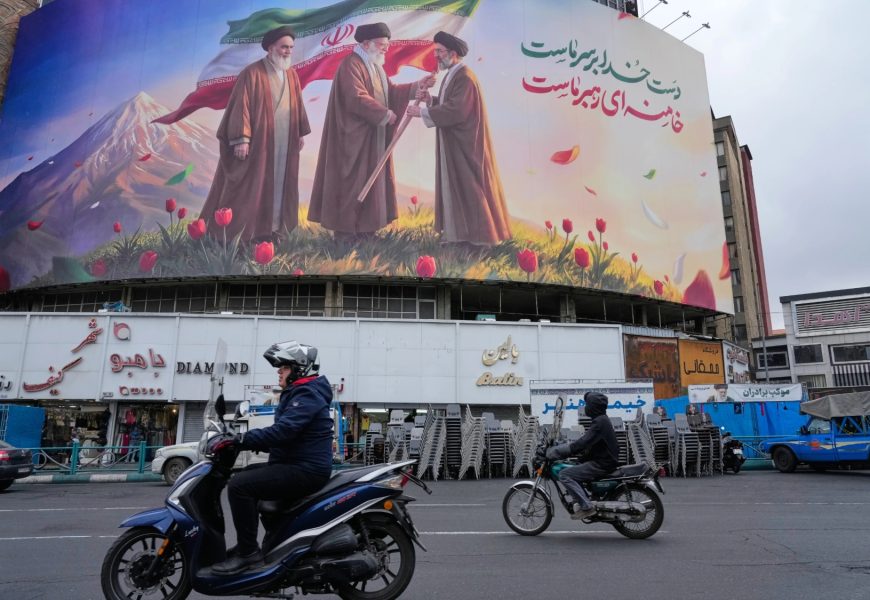
Iranian President Masoud Pezeshkian has called for national unity as the United States intensifies economic pressure on Tehran, warning that sanctions and other measures are designed to fuel divisions and unrest inside the country.
Pezeshkian said Iran's government and people would remain united and argued that national cohesion could undermine attempts by foreign powers to destabilise the country.
The United States last month announced what it described as an "Economic D-Day" campaign against Tehran, introducing what Washington called its toughest sanctions regime yet. The measures are aimed at cutting off economic channels that support the Iranian government and the Islamic Revolutionary Guard Corps (IRGC).
Pezeshkian said the mounting economic pressure would not prompt his administration to make sudden policy changes that could further inflame tensions at home.
"Through war, blockade and sanctions, the enemies seek to create division, fissures and unrest inside the country," he told officials on Friday, according to reports.
The president's comments appear to reflect concerns over the possibility of a repeat of major protests that erupted in Iran in 2019 and 2020. Demonstrations initially centred on fuel-price increases before developing into a broader challenge to the government.
During a televised appearance earlier this week, Pezeshkian acknowledged the growing pressure on ordinary Iranians, saying many people were already struggling to cope.
He nevertheless confirmed plans to increase the price of petrol under one of Iran's three fuel-quota categories for private vehicles. Monthly fuel allocations are also expected to be reduced in the coming weeks.
Iran has been grappling with severe energy shortages, driven by widespread fuel smuggling, deteriorating or neglected oil and gas infrastructure and a vehicle fleet that consumes large quantities of relatively poor-quality fuel.
Pezeshkian has warned that a broader increase in petrol prices could significantly raise transport and logistics costs, placing additional pressure on households and worsening already severe inflation.
Iran's currency meanwhile fell to another record low, trading at more than 2.25 million rials to the US dollar when markets opened on Saturday.
The economic crisis is unfolding alongside an ongoing military confrontation between Iran and the United States, which has further damaged Tehran's economy.
US forces bombed an oil tanker near Iran's Kharg Island on Saturday, following several days of attacks involving southern Iran and shipping around the Strait of Hormuz.
Washington has also prevented Iranian oil tankers from leaving the country's southern coastline as part of a naval blockade intended to restrict Iran's crude exports.
Tehran has indicated that it would be prepared to return to commitments outlined in a memorandum of understanding reached with Washington in June, provided the United States also resumes its obligations. The agreement collapsed shortly after it was signed.
Authorities warn of unrest
The combination of economic hardship, military conflict and growing public frustration has prompted increasingly strong warnings from Iranian officials about the possibility of renewed unrest.
At the end of August, the IRGC's intelligence directorate accused the United States, Israel and their Western allies of shifting towards a strategy of applying "pressure from within" in an effort to encourage protests.
Judiciary chief Gholam-Hossein Mohseni-Ejei warned last week that courts would take tougher action against people accused of threatening national security. He said Iran's adversaries were attempting to encourage instability inside the country.
Parliament Speaker and senior negotiator Mohammad Bagher Ghalibaf described the streets and wider social environment as Iran's "fourth battlefield", alongside military operations, diplomacy and efforts to provide economic support to the population.
Police chief Ahmad-Reza Radan has also singled out unemployment, living costs, economic conditions and petrol prices as potential triggers for localised or nationwide demonstrations. He ordered security forces to maintain close monitoring and remain prepared for possible unrest.
Iran's leadership has simultaneously placed renewed emphasis on social cohesion.
A statement attributed to Supreme Leader Mojtaba Khamenei in late August declared that actions considered harmful to national unity were prohibited. The message has subsequently appeared on posters and banners displayed by supporters across the country.
Authorities have also increased penalties against individuals and businesses accused of undermining national security.
On Thursday, Iran's Supreme Court upheld a prison sentence of at least 12 and a half years for prominent businessman Sadegh Saedinia and ordered the confiscation of millions of dollars in assets.
Authorities accused Saedinia of supporting nationwide protests in January after businesses associated with him published Instagram posts announcing a strike in solidarity with demonstrators. He later issued a public confession in which he said he regretted his actions.
Iranian authorities have described the January protests as an attempted coup allegedly organised by the United States, Israel and their allies and carried out with the assistance of armed agents inside Iran.
Iranian judicial authorities have also executed dozens of people since the war with the United States began on February 28, with some of those executed reportedly accused of involvement in the protests.
With economic pressure continuing to intensify and military tensions showing little sign of easing, Pezeshkian's appeal for unity reflects growing concern within Iran's leadership that the country's external confrontation could translate into renewed instability at home.
More Top Stories