
 °C
°C
 2
Min
2
Min
QUETTA, Pakistan (AP) – Pakistan’s Prime Minister Shehbaz Sharif vowed to continue operations against militants during a visit Thursday to southwestern Balochistan province, where he condoled with the families of 42 people, mostly security personnel, killed in multiple insurgent attacks this week.
Pakistani leader vows to press militant crackdown after 42 killed in Balochistan attacks
QUETTA, Pakistan (AP) - Pakistan's Prime Minister Shehbaz Sharif vowed to continue operations against militants during a visit Thursday to southwestern Balochistan province, where he condoled with the families of 42 people, mostly security personnel, killed in multiple insurgent attacks this week.
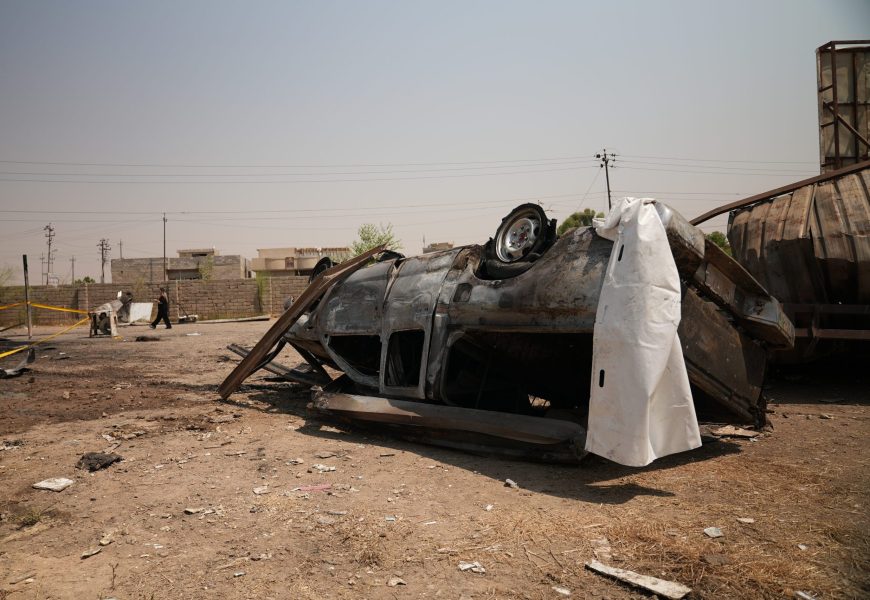
Authorities have responded to the back-to-back attacks by launching operations since Monday, killing at least 54 insurgents, according to the military and local officials.
The escalating violence prompted Sharif to travel to Quetta, the provincial capital, where members of the outlawed Baloch Liberation Army killed at least 42 people in separate attacks since Monday. The violence has raised concerns that separatist groups once considered relatively small are expanding their reach.
The deadliest assault targeted a police post in Balochistan's Ziarat district on Monday, killing nine police officers. Eighteen other officers abducted during the attack were later shot dead by their captors.
Angered by the killings, relatives of about two dozen police officers staged a sit-in in Quetta alongside the bodies, demanding that authorities bring the attackers to justice.
"The war against terrorism will continue until the last terrorist in Pakistan is eliminated," Sharif said in televised remarks while chairing a security meeting attended by army chief Field Marshal Asim Munir and Balochistan Chief Minister Sarfraz Bugti.
Without directly naming India, Sharif said there was "no doubt" that Pakistan's eastern neighbor was playing a major role in fueling the insurgency by providing militants with weapons, financial support and other assistance. He also alleged that militants were using Afghan territory to launch attacks in the northwestern province of Khyber Pakhtunkhwa and in Balochistan, adding that the state would thwart what he described as their "nefarious designs."
There was no immediate response from Kabul and New Delhi, but both have rejected such allegations in the past.
Balochistan, Pakistan's largest but least populous province, has long been the scene of a separatist insurgency as well as attacks by the Pakistani Taliban, known as Tehrik-e-Taliban Pakistan, or TTP, a militant group separate from but allied with the Afghan Taliban.
The TTP has grown stronger since the Afghan Taliban returned to power in Afghanistan in 2021.
More Top Stories