
 °C
°C
 4
Min
4
Min
NEW YORK (AP) - U.S. stocks rose and recovered some of their losses from a rare losing week. The S&P 500 climbed 1.2% Monday, breaking a five-day losing streak. The Dow Jones Industrial Average added 0.6%, and the Nasdaq composite rose 2.1%. Comcast helped lead the way and jumped after saying it plans to split off its media businesses from its broadband unit. Several AI stocks also rebounded following sharp swings up and down last week. The gains came despite a rise for oil prices, while Treasury yields held relatively steady in the bond market.
NEW YORK (AP) - U.S. stocks rose and recovered some of their losses from a rare losing week.
NEW YORK (AP) - U.S. stocks rose and recovered some of their losses from a rare losing week. The S&P 500 climbed 1.2% Monday, breaking a five-day losing streak. The Dow Jones Industrial Average added 0.6%, and the Nasdaq composite rose 2.1%. Comcast helped lead the way and jumped after saying it plans to split off its media businesses from its broadband unit. Several AI stocks also rebounded following sharp swings up and down last week. The gains came despite a rise for oil prices, while Treasury yields held relatively steady in the bond market.
THIS IS A BREAKING NEWS UPDATE. AP's earlier story follows below.
NEW YORK (AP) - U.S. stocks are rising Monday and recovering some of their losses from a rare losing week.
The S&P 500 climbed 1.1% after erasing a midmorning stumble and was on track to break a five-day losing streak. It's coming off just its second losing week in the last 13. The Dow Jones Industrial Average was up 366 points, or 0.7%, as of 3:07 p.m. Eastern time, and the Nasdaq composite was 2% higher.
Comcast helped lead the way and jumped 6.7% after saying it will split off its NBCUniversal media business and Sky from its broadband and wireless business. Its stock came into the day with a loss of 17.3% for the year so far.
Several stocks boosted by the artificial-intelligence boom also rose after Samsung Electronics and SK Hynix said they will invest roughly $518 billion in a new chipmaking hub in South Korea, as its president hopes to capitalize on surging AI demand.
Applied Materials, whose equipment helps make semiconductors, rallied 11.5% to bring its gain for the year so far to roughly 172%.
AI stocks have been on a roller-coaster ride recently after soaring to tremendous heights. They're under pressure because of worries that their profits can't possibly keep pace with the huge gains for their stock prices. And the drops have an outsized effect on investors because AI stocks have become some of Wall Street's largest and most influential, giving them more weight on indexes than others.
SpaceX, which owns the xAI business along with rockets, has already become worth more than $2 trillion after its stock made its debut on the Nasdaq earlier this month, with sharp rises and falls along the way. It's become big enough that Nasdaq said Elon Musk's company will join the Nasdaq 100 index before trading begins on July 7, which will force funds tracking the index to buy the stock.
SpaceX climbed 6.8%.
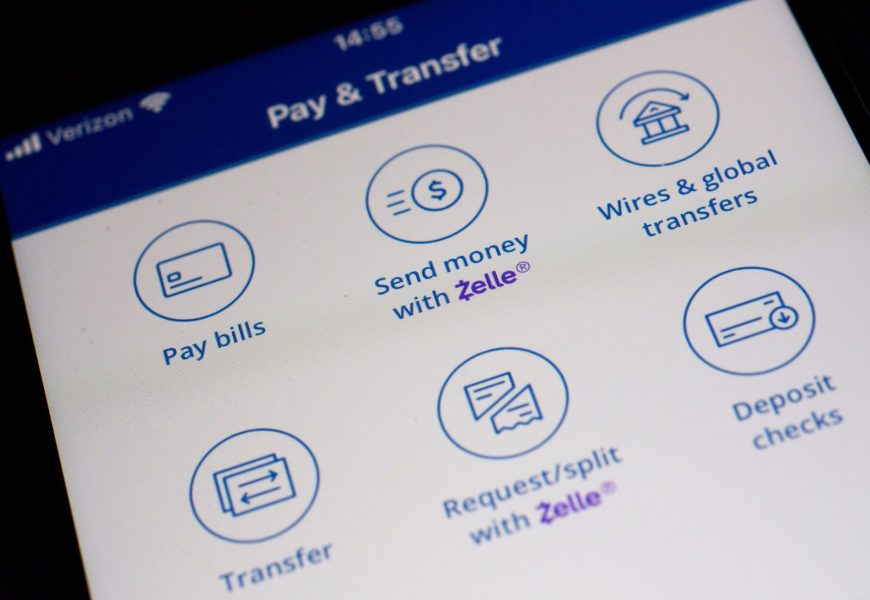
That helped offset a 5.4% drop for Verizon Communications, which said it's paying $625 million as part of a deal to combine its international wireline connectivity and managed network services business with some of London-based BT Group's subsidiaries in a joint venture.
The gains for the stock market came even though oil prices rose. The September delivery price for a barrel of Brent crude, the international standard, climbed 1.8% to $73.91, pulling slightly above where it was before the war with Iran began. Benchmark U.S. crude for August delivery rose 2.2% to settle at $70.75 per barrel.
Following attacks across the Persian Gulf over the weekend, President Donald Trump said Monday on social media that Iran had requested a meeting with U.S. counterparts, though one of Iran's top negotiators said no further talks had been scheduled.
The hope is that an end to the war with Iran will give oil tankers full access again to the Strait of Hormuz, allowing them to exit the Persian Gulf and deliver crude to customers worldwide. That would help lower the price of oil, whose jumps because of the war have sent a punishing wave of inflation around the world.
If oil prices do recede and stay low enough, it could keep enough pressure off inflation to allow the Federal Reserve and other central banks to keep interest rates steady or even cut them instead of hiking them. Higher interest rates can keep a lid on inflation, but they also slow the economy and hurt prices for all kinds of investments. High yields worldwide have been rattling investors since oil prices burst above $100 per barrel.
The yield on the 10-year Treasury held steady at 4.38% late Friday and from 4.56% early this month.
In stock markets abroad, indexes were mixed across Europe and Asia.
Stocks jumped 1.6% in Hong Kong and 1.2% in Shanghai for two of the world's biggest gains, while South Korea's Kospi slipped 0.2%.
More Top Stories