
 °C
 4
Min
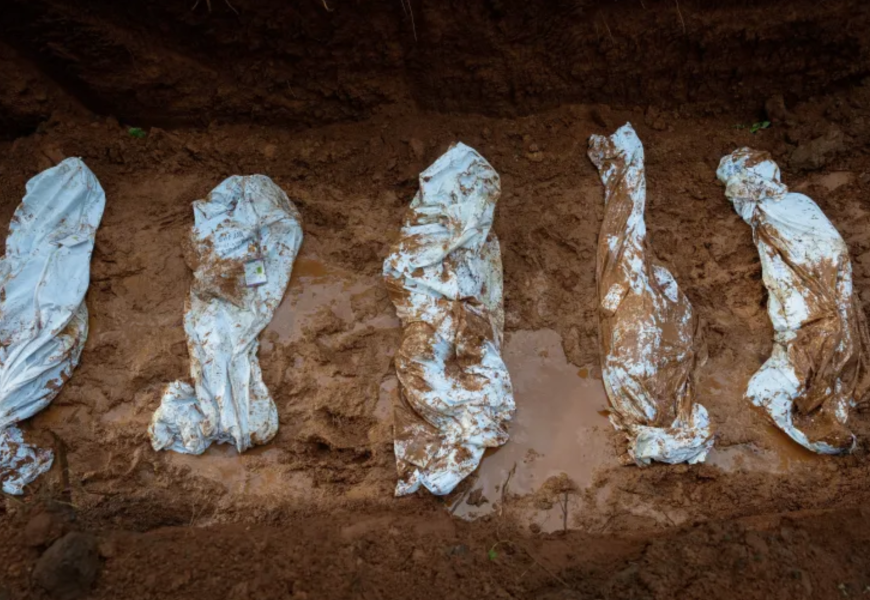
More than 360 people have died and over 1,400 remain missing across Nepal and China's Tibet region after a massive collapse of rock and ice triggered devastating floods through remote Himalayan valleys. Authorities in Nepal said at least 359 people had been killed, while three deaths were reported in neighbouring Tibet.
More Than 360 Dead, 1,400 Missing After Himalayan Floods
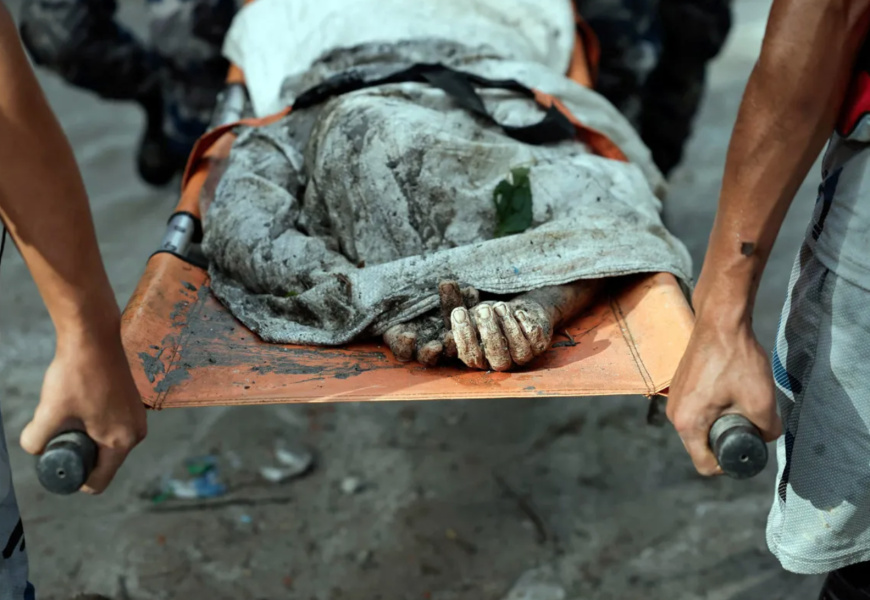
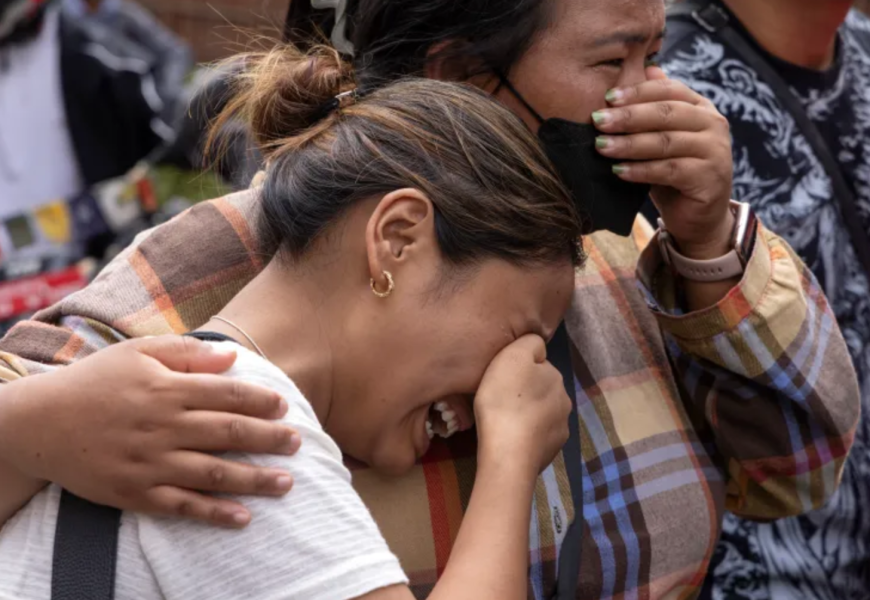
More than 360 people have died and over 1,400 remain missing across Nepal and China's Tibet region after a massive collapse of rock and ice triggered devastating floods through remote Himalayan valleys.
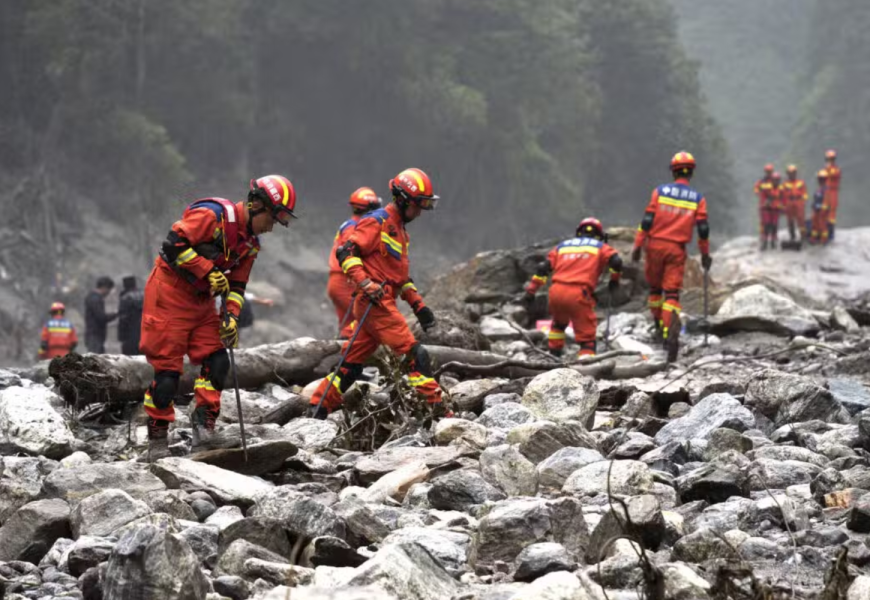
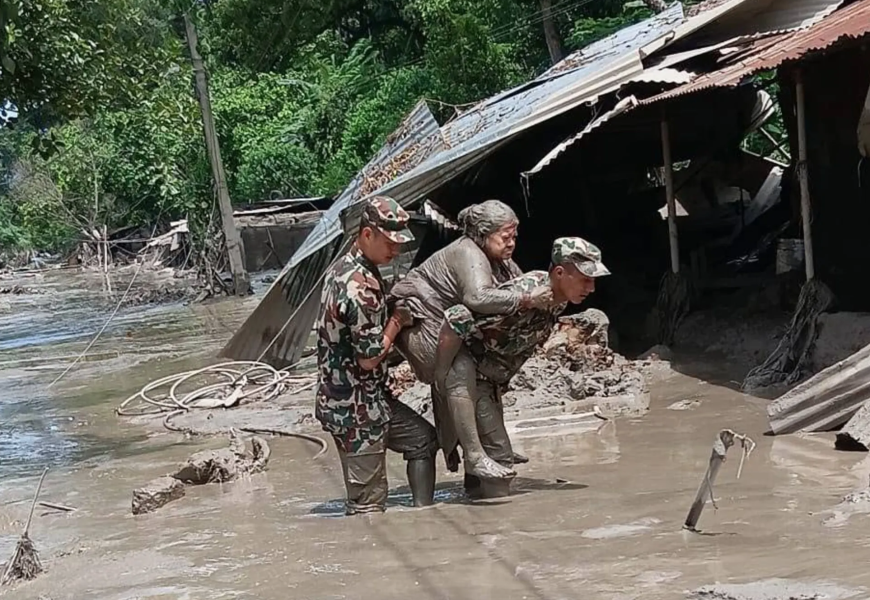
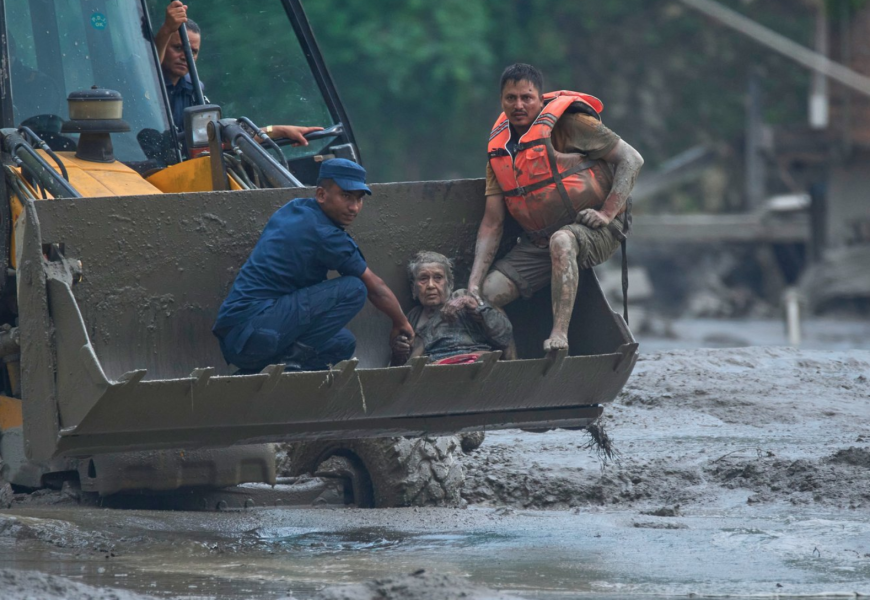
Authorities in Nepal said at least 359 people had been killed, while three deaths were reported in neighbouring Tibet. Rescue teams continued searching through thick mud and debris on Thursday as damaged roads and bridges made access to the worst-hit areas extremely difficult.
More than 500 foreign nationals are among the 910 people reported missing in Nepal, according to police and tourism officials. Those missing include 177 people from India, 63 from the United States, 34 from Australia, 33 from the United Kingdom and 25 from Canada.
China's Foreign Ministry said almost 100 Chinese nationals were also among those missing in Nepal.
In Tibet's Gyirong county, 558 people were reported missing, including 260 foreign nationals, according to Chinese state broadcaster CCTV.
Chinese Premier Li Qiang travelled to the mudslide site in Tibet on Thursday to oversee emergency rescue and relief operations, state media reported.
The disaster struck after a huge mass of ice and rock collapsed into a Himalayan river, sending a torrent of water, mud and debris through settlements on both sides of the Nepal-China border.
Early reports suggested an earthquake may have caused part of a glacier to collapse. However, the United States Geological Survey said a seismic event initially recorded as a magnitude 4.4 earthquake was actually the seismic energy produced by the sudden collapse of glacial rock and ice, followed by a massive debris flow.
Preliminary satellite imagery analysed by Planet Labs indicated that a landslide involving ice and rock sent a debris-filled surge down the Lhende River, about 20 kilometres northeast of the Rasuwagadhi border crossing.
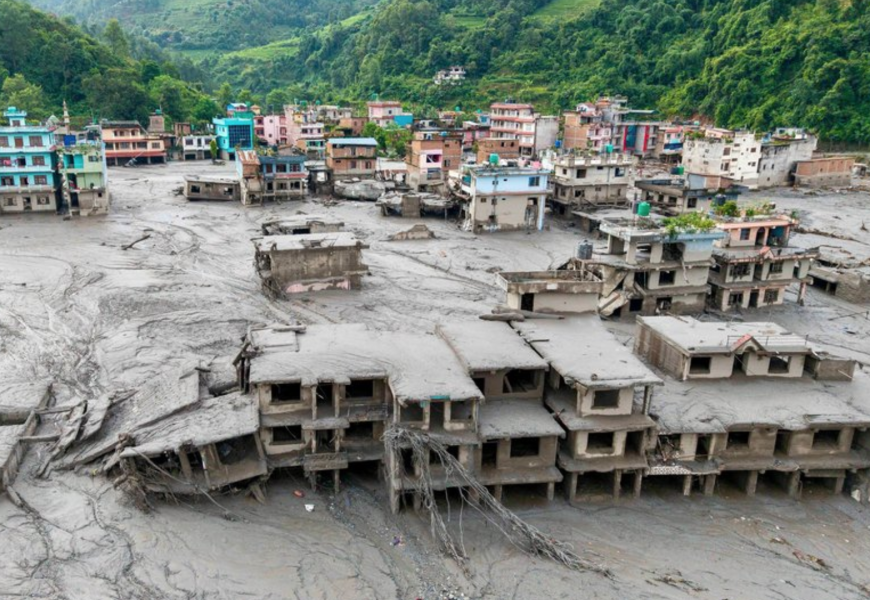
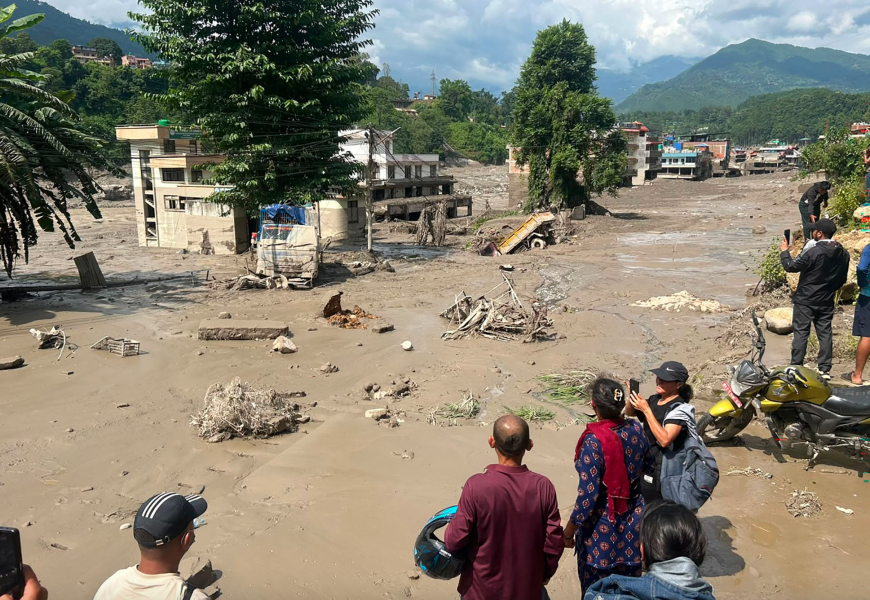
Video footage verified by news agencies showed powerful torrents sweeping people and debris through a border crossing in Gyirong. Downstream in Nepal, homes, roads, bridges and electricity infrastructure were destroyed.
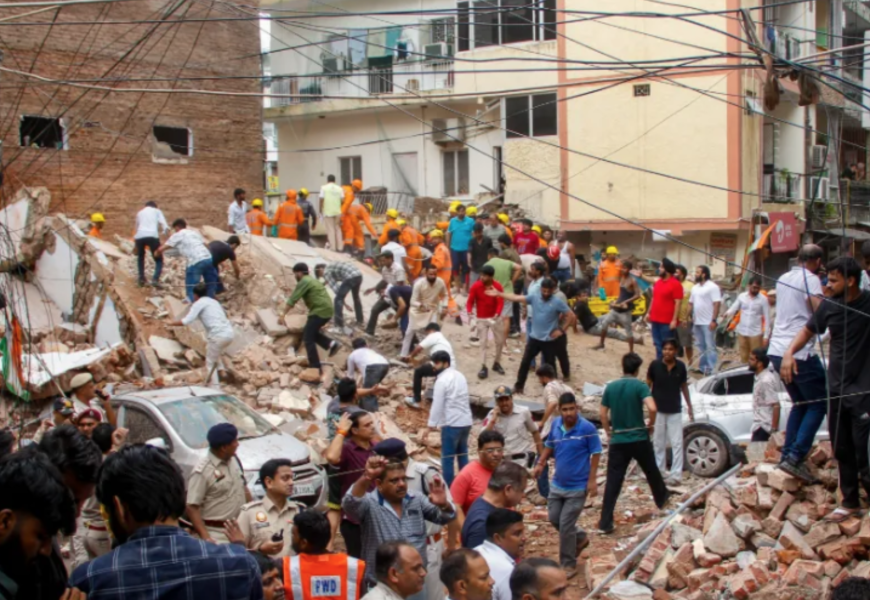
Thick layers of mud covered houses, vehicles and trees, while aerial images showed collapsed buildings, submerged cars and bridges washed away by floodwaters.
"There is devastation everywhere we look," said Tula Bahadur BK, a healthcare worker in Rasuwa, where several riverside settlements were swept away. He said five of his relatives remained missing.
Rescue authorities said the operation had become a major challenge because roads and bridges leading into isolated communities had been extensively damaged.
Government and private helicopters were deployed to search for survivors, deliver emergency supplies and transport injured people to hospitals. Medical teams reported treating injuries including broken ribs and severe skin burns.
Nepal's army said more than 5,000 military and police personnel had joined the rescue effort. Helicopters were dropping tents, food and medicine supplied by India into the hardest-hit districts.
Authorities also warned that a lake formed by the disaster was continuing to rise and could potentially burst, creating another dangerous surge downstream.
The affected region is popular with trekkers, pilgrims and tourists travelling between Kathmandu and Lhasa. Some of those caught in the disaster had been travelling to Mount Kailash and Lake Mansarovar, sacred high-altitude sites in Tibet revered by Hindus, Buddhists and followers of other religions.
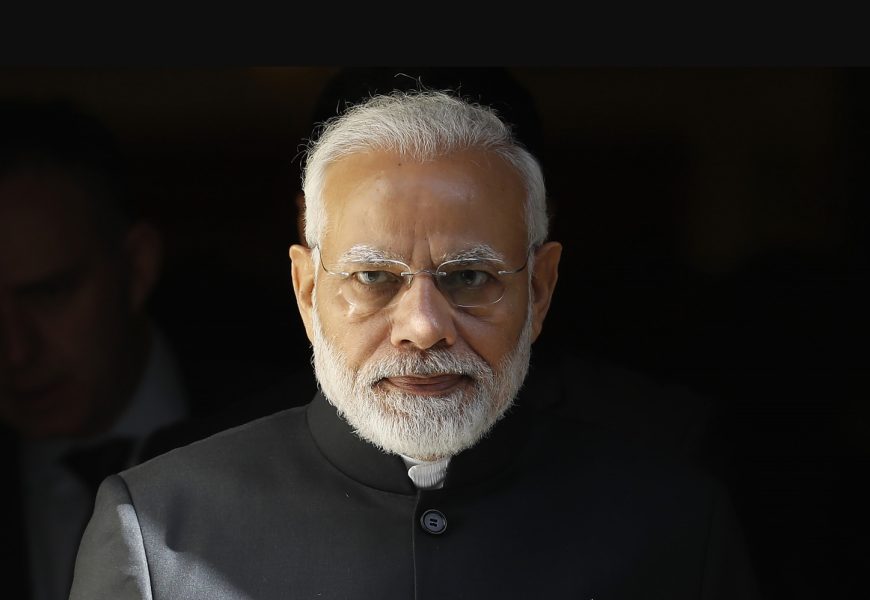
Nepalese Prime Minister Balendra Shah travelled by road to Bidur in badly affected Nuwakot district to assess the situation, his office said.
India also evacuated thousands of people from areas bordering Nepal, including Bihar, Uttar Pradesh and Uttarakhand, as authorities monitored the threat to the Gandak River Basin.
International Response
The United States said it was sending a disaster response adviser to Nepal and providing $500,000 in emergency assistance.
Canadian Prime Minister Mark Carney described the floods as devastating and said Canadian officials were closely monitoring the situation, particularly given the number of Canadians reported missing.
The United Nations announced that $2 million would be released from its Central Emergency Response Fund to support relief efforts in Nepal.
UN Secretary-General Antonio Guterres said UN teams were already helping affected communities by delivering emergency supplies and deploying support personnel.
Australian Prime Minister Anthony Albanese said authorities were working to establish clear information about Australians caught up in the disaster, but acknowledged that the remoteness of the affected region and damaged infrastructure were making communication and rescue efforts difficult.
With hundreds of people still unaccounted for and further flooding possible, rescue teams were racing against time to reach isolated communities and locate survivors.
More Top Stories