
 °C
°C
 3
Min
3
Min
BRUSSELS (AP) – The European Union on Friday moved to prolong temporary protection status for millions of people who have fled the war in Ukraine, but not for new arrivals who would be eligible to serve in the armed forces.
EU moves to prolong protection for Ukrainians but not new arrivals eligible for military service
BRUSSELS (AP) - The European Union on Friday moved to prolong temporary protection status for millions of people who have fled the war in Ukraine, but not for new arrivals who would be eligible to serve in the armed forces.
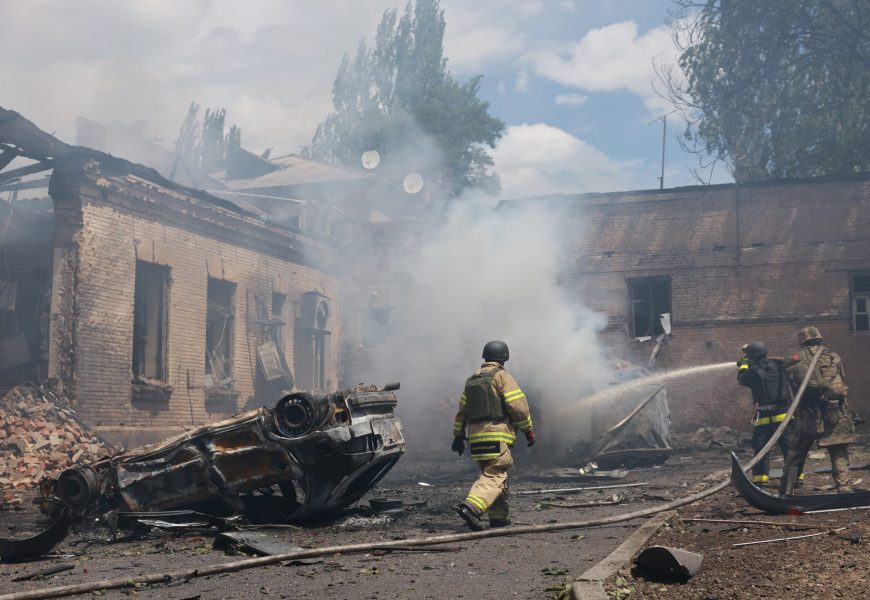
Ukraine is desperate to boost the size of its fighting force more than four years into its full-scale war with Russia. It's estimated to have suffered around 600,000 military casualties. Ukrainian President Volodymyr Zelenskyy said in February that 55,000 troops have died and many are missing.
More than 4.4 million Ukrainians have been welcomed into the EU since 2022. Most are living in Germany and Poland. They've been given temporary residency permits and support, including accommodation or help to get housing, social welfare benefits, medical care and access to schools.
The system is due to expire in March 2027, but the European Commission is proposing that it be extended by a year.
Ukraine has been pressing the bloc to tighten the rules, and EU Migration Commissioner Magnus Brunner said that "temporary protection should not be granted to newly arriving persons who are not allowed to leave Ukraine because of their military obligations under Ukrainian law."
The new measure would not apply to Ukrainians already in Europe, but could apply to people between 23 and 60 years old who come in the future. The commission hopes that this would enter force within weeks, once the EU's 27 member countries have endorsed the plan.
Brunner said the commission also wants to test a new project that would provide support to Ukrainians in Europe who want to return home immediately or in the near future once the fighting eases.
But Europe's human rights watchdog, the Council of Europe, warned against winding down protection and assistance for Ukrainians displaced by the war, including those eligible for military service.
Human Rights Commissioner Michael O'Flaherty said that the "realities on the ground in Ukraine do not meet the conditions for a safe and dignified return." He said that taking people's protections away "without a robust safety net risks driving millions into legal limbo, poverty, and unsafe unvoluntary returns."
The Council of Europe, which is not part of the EU, said that blanket restrictions on the support that certain categories of people might receive raise human rights concerns. It said that some people might seek protection over concerns about military service, and that applications should be assessed on a case-by-case basis.
The commission said that it is trying to provide protection "in a way that ensures Ukraine's overall ability to best defend itself against the Russian illegal war of aggression and to decide freely on the organization of its defense forces."