
 °C
°C
 2
Min
2
Min
HAVANA (AP) – Cuba’s powerful Communist Party, or PCC, called an unscheduled session Wednesday, a rare occurrence that comes days after President Miguel Díaz-Canel announced an economic reform package aimed at opening up the struggling island’s economy.
Cuba’s Communist Party convenes unscheduled session to debate new economic measures

HAVANA (AP) - Cuba's powerful Communist Party, or PCC, called an unscheduled session Wednesday, a rare occurrence that comes days after President Miguel Díaz-Canel announced an economic reform package aimed at opening up the struggling island's economy.
Also Wednesday, in a surprise move, the National Assembly was also convened for Thursday to follow up on the party meeting.
Both sessions come at a critical time for Cuba, as it grapples with the effects of a U.S. energy blockade aimed at forcing a change in the island's economic model.
Last week, Díaz-Canel told journalists that the upcoming reforms would expand authorizations for private companies, which were first legalized five years ago. Without providing specific details or deadlines, the president noted that the plan will also allow Cubans living both on the island and abroad to invest in tourism, while granting state-run companies greater freedom to partner with the private sector.
He also forecast changes to the currency exchange market and raised the possibility that private businesses could import and export goods directly, bypassing the state intermediation currently required.
Ahead of the sessions, Díaz-Canel noted that Cuba's parliament is already considering a law to downsize the state, a move that would slash the number of ministries from 27 to 20.
The PCC, the only legally recognized party, does not run elections. It is led by Díaz-Canel as first secretary and its constitutional role is to guide the direction of all branches of government, including the legislature.
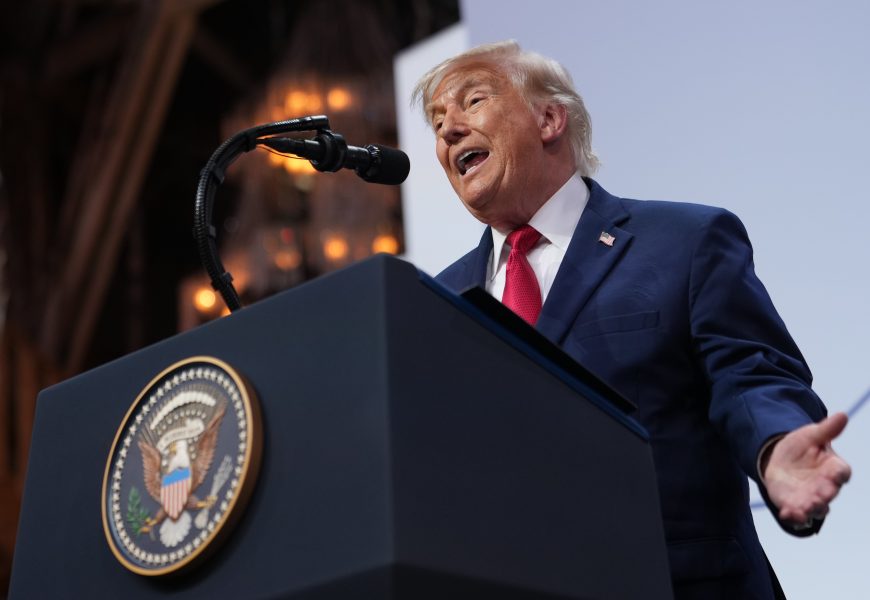
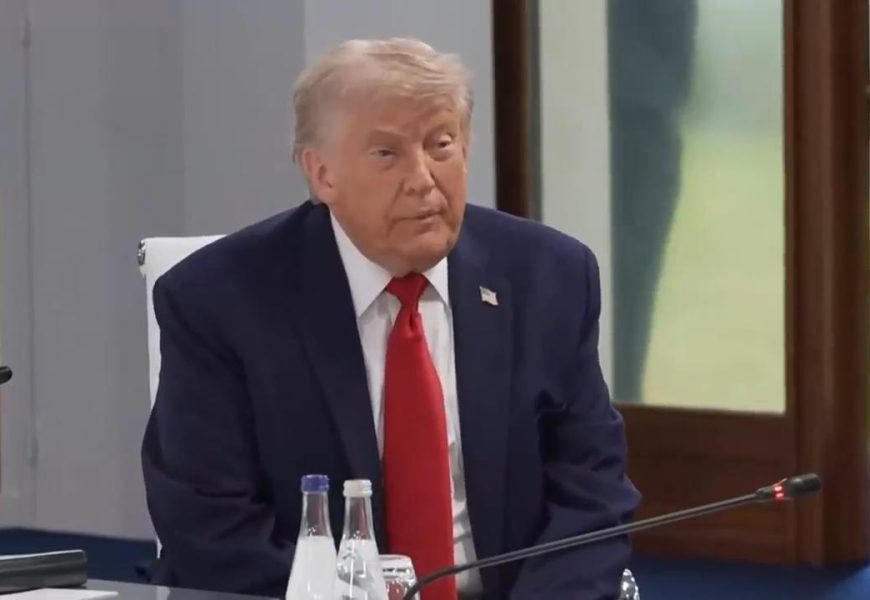
The deepening economic crisis that has gripped Cuba for the past years - intensified by the energy embargo enacted under U.S. President Donald Trump - continues to disproportionately affect the island's most vulnerable. Persistent blackouts, cuts to the state-run food ration system, and severe shortages of water and medicine have transformed daily life into an ordeal for many of the island's nearly 10 million residents.
As the U.S. has ratcheted up pressure for economic reforms, it's imposed sanctions on Diaz-Canel and various Cuban businesses. Former President Raúl Castro also was indicted last month on federal charges including murder for the 1996 downing of civilian planes.
___
Follow AP's coverage of Latin America and the Caribbean at https://apnews.com/hub/latin-america
More Top Stories